
Georgian Wine vs. European Wine: What Makes It Different?
If you order a Georgian qvevri wine and a European-style wine side by side, you will probably notice clear differences, even when both are made from the same grape variety. There is a real reason for that.
Georgia is the oldest winemaking country in the world. At least, that’s what the archaeological finds currently available to us say. People here were already making wine in clay vessels 8,000 years ago. And the truly unique thing about Georgian wine is that the old way of making wine in qvevri (a giant clay vessel) was never abandoned, not really. Even after newer winemaking methods took hold.
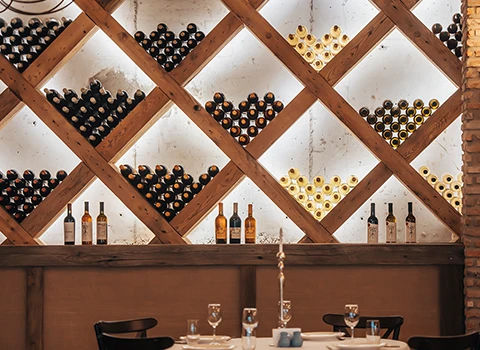
That’s the core difference: qvevri-made Georgian wine and European-style wine tend to have very different color, aroma, texture, and tannin - even when made with the same grape varieties. At Restaurant Tsiskvili you can explore those contrasts to your heart’s desire: our wine list was assembled to cater to wine-lovers of all tastes, with both qvevri wines and Georgian wines made with modern European technology.
Why Does Georgian and European Wine Taste Different?
The biggest difference most people notice is the aroma. Qvevri-made wines are strong and heavy. Even white wines carry weight. It’s particularly noticeable if what you’re drinking isn’t technically a classic white but an amber one (and yes, they’re not exactly one and the same).
Amber wine tends to carry tannin and has a more complex flavor profile than your average European-style white. Those with the ability to catch such complexities often mention that these wines have notes of drifted apricot, orange peel, and black tea, even. They’re multi-layered, sometimes slightly savory, and they’re harder to drink, even one glass might slow you down. Meanwhile, European-style whites are fresh and bright, and the flavor profile tends to veer fruit-first, with notes of apple, pear, and citrus, sometimes even a little floral.
Put simply, qvevri wines often feel more layered and hit heavier, while European-style wines are usually lighter, with a fresher first taste.
How Qvevri Wine Making Process Influences the Body and the Flavor
A qvevri is a large vessel made of clay. It’s shaped like a pointy-ended egg, which can seem weird for an utensil expected to hold liquid but is not exactly a problem: none expects a qvevri to stand on its own. Traditionally, qvevri is buried in the ground.
When making qvevri wine, the winemaker presses the grapes together with skins, stalks, and pips. Then they seal the vessel, and leave the wine to ferment for five to six months, where the earth helps keep the temperature steady. In qvevri, amber wine stays in contact with grape solids far longer than a modern European white wine does. That’s where all the extra tannins, heavier texture, darker color, and slightly savory notes come from.
European classic wine making takes a drastically different approach. Skins and seeds get removed as quickly as possible. The goal is to keep the wine clear and the flavor fresh. Winemakers use temperature control, selected yeast, pneumatic presses, and stainless steel tanks to achieve desired results. The result is a more refined modern pale, fruity white wine. It has less tannin, less oxidative character, and an easier, clearer aftertaste.
To keep it short: Qvevri wine making process keeps more of the grape solids in the wine for longer. European-style winemaking strips them from the get-go. Solids, in many ways, determine what the final product feels, tastes and smells like.
Two Different Wines from the Same Grape: Traditional Georgian Winemaking vs. European Technique
Georgia has more than 500 indigenous grape varieties, though only about 40 are currently used in commercial production. The most popular among them are Saperavi and Rkatsiteli. Saperavi naturally gives dark, tannic red wine. While most Georgian reds tend to traditionally veer semi-sweet, Saperavi is traditionally aged until fully dry. Rkatsiteli is a white variety and a popular choice for both a classic white or an amber wine, depending on how the winemaker handles skin contact.
Georgian wine does not always mean qvevri wine. The same grape can result in two very different wines depending on the winemaker's approach. There’s a wide choice of both qvevri-aged and European-style Saperavi currently on the market, so it’s a great litmus test for those who want to compare how different wines made from the same grape might taste.
Classic Saperavi already has a dark color, rich tannins, and fruity aromas. Yet qvevri Saperavi pushes further, with a more intense flavor and a more complex aromatic profile. Qvevri white wines might have less intense character than the amber counterparts, yet they still have a fuller body and stronger punch, then a classic European-style white.
That’s what a foreign visitor should keep in mind when planning their winetasting: unless you ask a professional sommelier, most spots will focus on grape varieties rather than winemaking methods. If you’re interested in qvevri wine specifically, do mention it to your host. Or, better yet, try both methods to compare and contrast. That’s the really fun part.
Visit Restaurant Tsiskvili for Georgian Wine Tasting in Tbilisi
Restaurant Tsiskvili can be a great spot for Georgian wine tasting in Tbilisi specifically because the wine card was curated to highlight both winemaking methods.
Many Georgian restaurants offer a token wine list and hope the food carries the evening. Not Tsiskvili: the sommeliers have actively built a wine selection that allows visitors to experience the full range of Georgian wine. Tsiskvili list brings together qvevri wines made by traditional methods and modern wines made with European technology. It also mixes bottles from major Georgian producers with selections from small family maranis.
Not to say that food doesn’t play a crucial part in the wine experience. In fact, a big part of enjoying Georgian cuisine is properly pairing dishes with wine (just like our ancestors did). Tsiskvili recommends pairing qvevri amber wine and tannic reds such as Saperavi or Mukuzani with heavier, meat-based dishes or rich, piquant cheese (like guda). Lighter amber wines and whites are great with classic cheeses, poultry and seafood.
And what better way to try Georgian wine surrounded by an atmosphere that’s designed to make you feel as entrenched in Georgian culture as possible without actually moving to live here. Multiple Tsiskvili branches run live music and Georgian dance performances every day from 20:00 to 00:00. Many of them, like Ethno Tsiskvili and Tsiskvili Mskheta, use Georgian folklore and architecture details to further shape the experience. At Tsiskvili Mskheta there’s even a historical marani with a collection of vintages you can have a taste of. It’s a combination that makes you feel like you’re having the wine tasting in Georgia of centuries past, not in a modern-day polished Tbilisi wine bar.
Your first experience with traditional Georgian wine shouldn’t be in the abstract. That’s not why Georgian people started making it and that’s not how most of them enjoy it now. These are wines that were made to enjoy at Supra, paired with traditional cuisine. It’s when you experience how the wine behaves with various Georgian dishes that the difference finally clicks for most people.
If you want to understand Georgian wine in-depth, check the Tsiskvili branch address closest to you, reserve a table. Call +995 032 2 00 55 55 to check availability. Our lovely sommeliers are always ready to provide some recommendations for both qvevri and European-style wine.
Other news

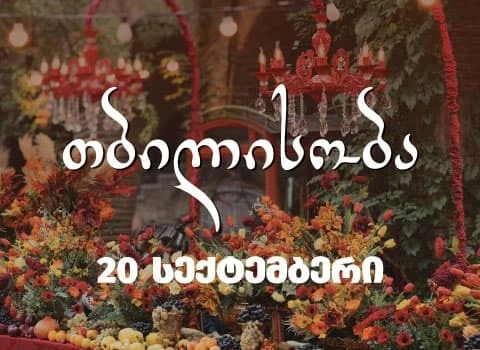
On October 3 and 4, 2026, Tsiskvili Group will celebrate Tbilisoba with a special program.
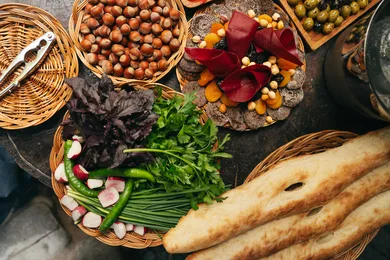
Discover the ultimate one-day food itinerary in Tbilisi, starting with fresh bread in the Old Town and ending with a grand Georgian feast. Experience the city’s rich culinary heritage through local specialties like Khinkali and live folklore performances at the iconic Tsiskvili restaurant.
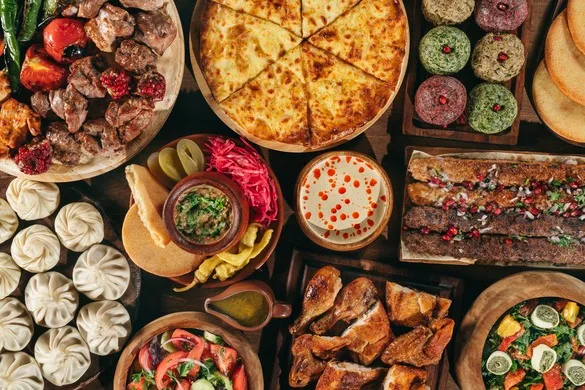
Exploring the best things to do in Georgia for food lovers involves more than just tasting; it’s an invitation to master the art of eating Khinkali and discovering diverse dishes like Khachapuri and Pkhali. This guide leads you through the essential culinary experiences, culminating in an authentic Georgian supra complete with traditional folk music and dance.

The Festival of Georgian Wine & Regions is more than just a cultural event - it is a project dedicated to preserving and promoting Georgia’s rich history, regional traditions, local products, and winemaking heritage.
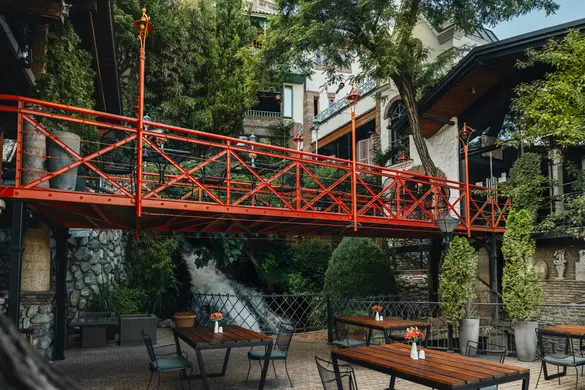
Experience the magic of Ethno Tsiskvili, a unique restaurant-museum in Tbilisi featuring a stunning natural waterfall and authentic rock-integrated architecture. This guide explores how you can enjoy traditional Georgian cuisine, local wines, and live folk shows in one of the city's most scenic dining spots.
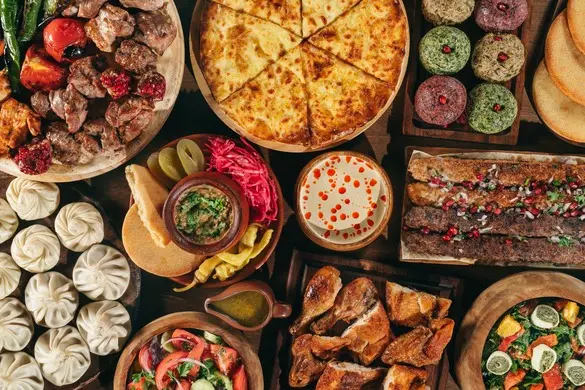
Find out tips on how to order at a Georgian restaurant, highlighting must-try staples like Khinkali, Khachapuri, and traditional vegetable appetizers. It also recommends visiting Tsiskvili restaurant to enjoy these authentic flavors paired with legendary Georgian hospitality and a unique cultural atmosphere.
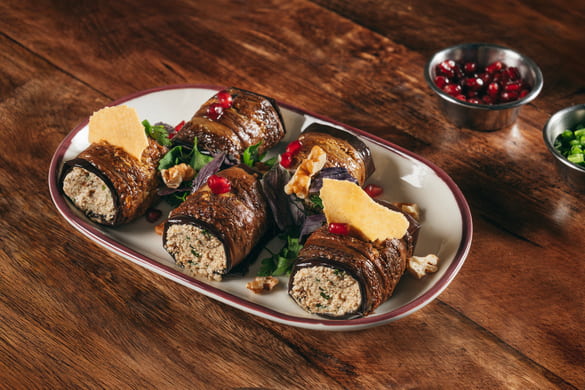
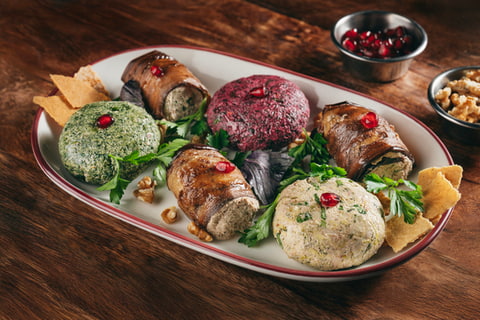
Pkhali is much more than just a side dish. You will encounter many variations of Pkhali in Georgia, and in this blog, we will discuss some of the most popular ones.
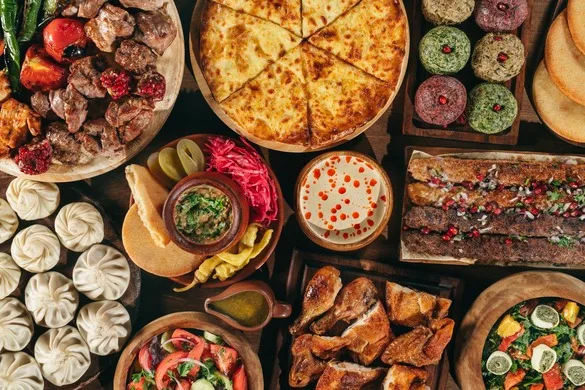
Discover why Tbilisi is Europe’s most underrated food city. From the iconic flavors of khachapuri and khinkali to the spirited tradition of the Georgian supra, Tsiskvili Restaurant brings the city’s rich culinary heritage and live folk culture together for an unforgettable dining experience.
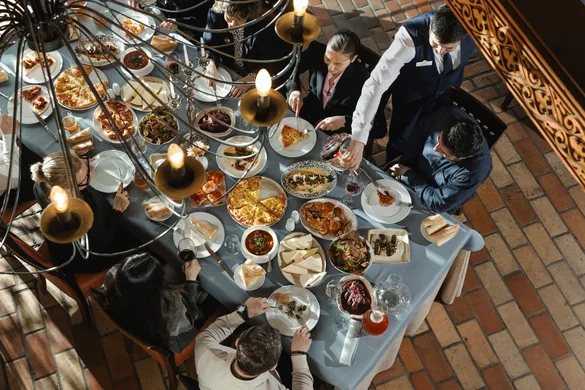
Looking for the perfect night in Tbilisi? Experience the heart of Georgia through a traditional feast, qvevri wine, and a breathtaking performance of polyphonic singing and dance at Ethno Tsiskvili - the city’s premier destination for authentic culture.
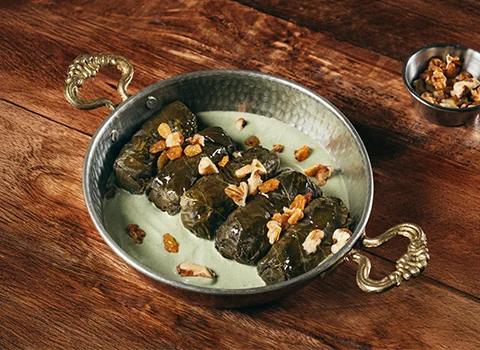
Our chefs prepare traditional grape leaf tolma by strictly sticking to the original recipe. The kitchen team works only with fresh, local ingredients, which plays a huge role in the dish's having a real, old-school, homemade flavour.

The tradition of making Georgian chacha goes back centuries and is inseparable from Georgian winemaking culture.
Georgia is the oldest winemaking country in the world. At least, that’s what the archaeological finds currently available to us say. People here were already making wine in clay vessels 8,000 years ago.
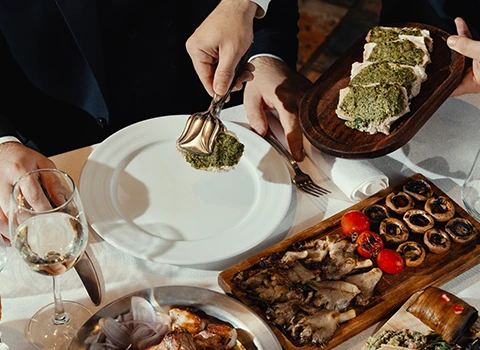
These are the rules that you should remember not just when dining out with the locals, but even when you’re on your own.
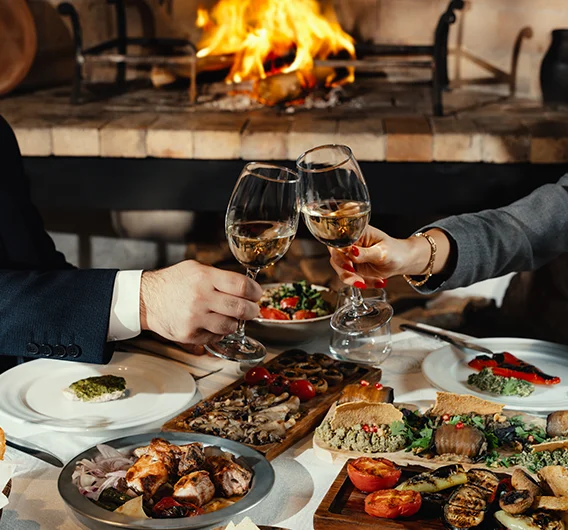
For romantic dinners, couples often choose Tsiskvili Terrace, located on Zviad Gamsakhurdia Embankment. It includes a main hall, a veranda, and glass-walled spaces, creating a light and pleasant atmosphere ideal for such evenings.
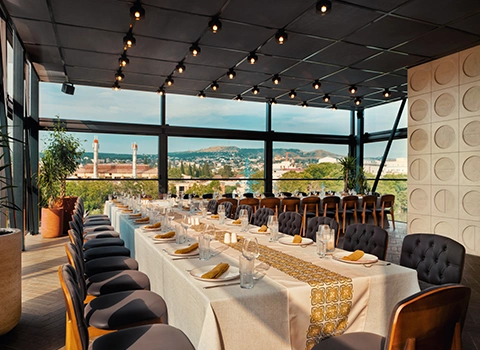
One of the main advantages of Tsiskvili is authentic Georgian cuisine. Here you will find both traditional Georgian dishes and their modern variations, as well as signature dishes by chefs. It is also important that the restaurant focuses on high-quality ingredients, using fresh, locally produced products.
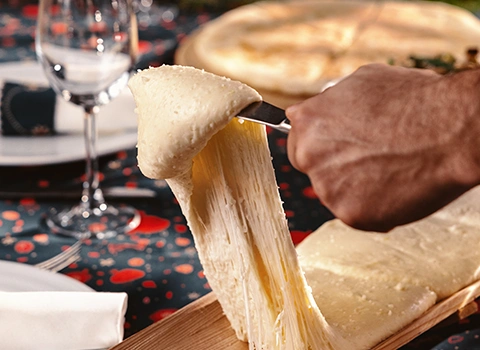
One of the dishes that best represents Georgian culture and history is elarji. It is considered a masterpiece of Megrelian cuisine, and if you have not tried it yet, you will likely be convinced after tasting it.
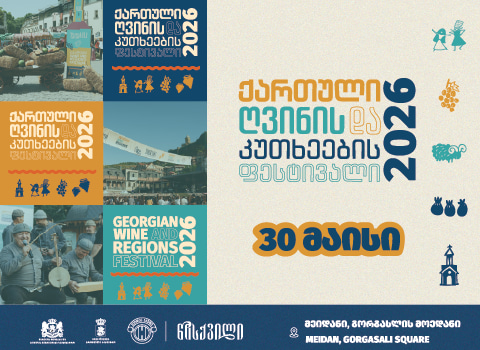
The festival is for those who wish to better explore the unique varieties of Georgian wine, as well as local traditional products such as honey, churchkhela, cheese, and more.
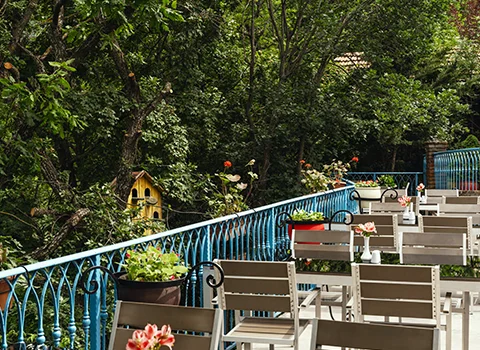
Chakapuli is one of the most popular seasonal Georgian dishes. Traditionally, it is associated with the Easter period. Mostly because the period when fresh herbs needed to season the meat begin arriving usually coincides with Orthodox Easter.
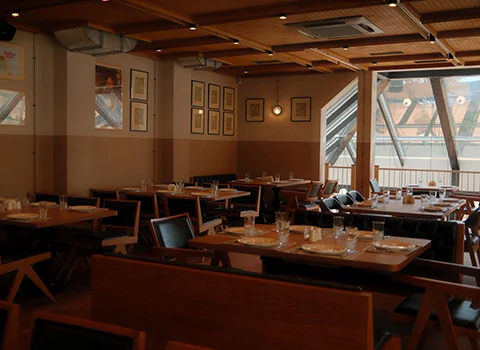
The new Beer Square restaurant in Saburtalo is going to be able to host up to 200 guests. Its two-floor interior and enclosed terrace have been designed in a way to be able to comfortably host multiple groups at once, regardless of the goal. It’s a space for casual get-togethers as well as for business lunches.
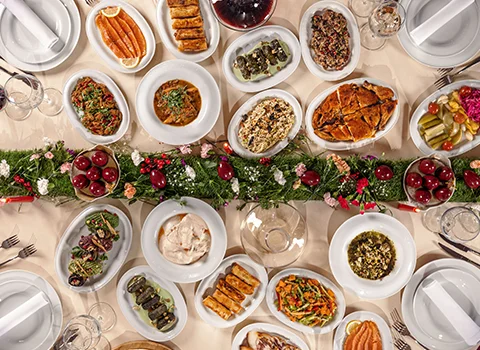
Today, many Georgian families prefer to outsource taking care of the Easter menu to professionals because of their busy everyday lives. Still, the importance of the holiday has remained high across centuries, so to this day most people are very careful with what they’re bringing to the table.
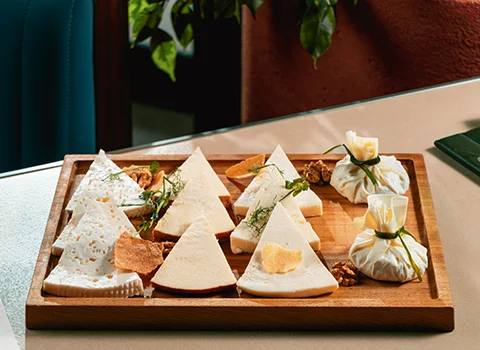
At Tsiskvili, we adapted these European principles to the traditions of Georgian cheesemaking. Our selection of Georgian cheese varieties is designed to provide a ranged but well-balanced experience of flavors while avoiding unpleasant contrasts.
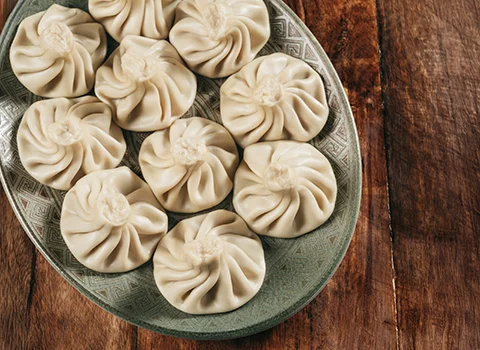
Although Pshavi and Tusheti are considered the birthplace of khinkali, today it can be tasted in every corner of Georgia. One of the places where it truly stands out is Mtskheta.
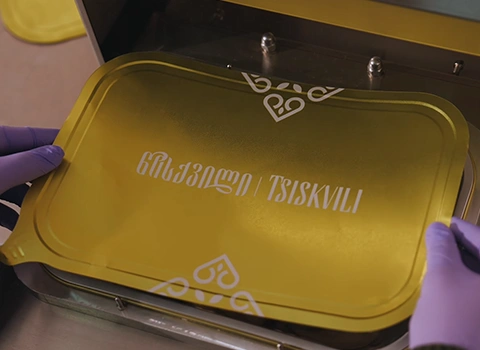
It’s also worth noting that this packaging meets the highest international standards for hygiene and safety. The aluminum containers have been tested by SGS and hold certification confirming full compliance with U.S. FDA (Food and Drug Administration) requirements.
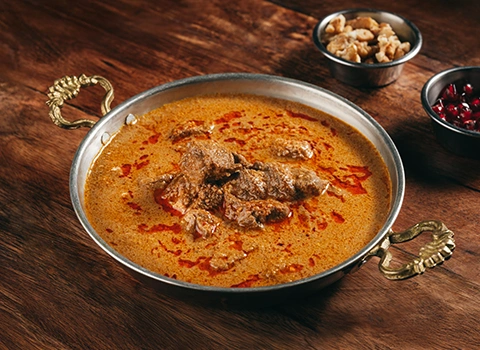
The first and most important ingredient in a traditional Megrelian kharcho is walnuts. Unlike many other walnut-based dishes where the main protein (be it beef, chicken or turkey) still dominates, in kharcho it’s the walnut flavor that’s at the forefront.
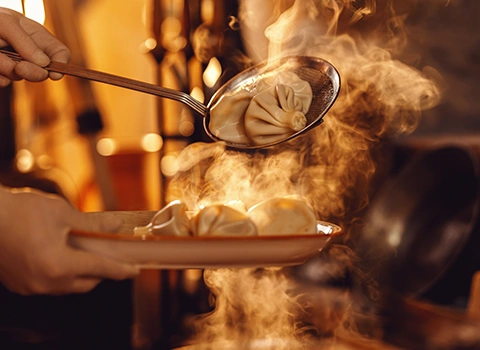
Georgian gourmets know well the places where the best khinkali in Tbilisi can be found, and “Tsiskvili” is definitely one of them. The restaurant has maintained high quality and authenticity in its dishes for decades, and khinkali is no exception.
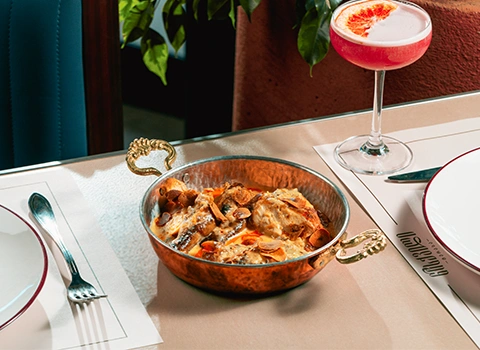
Shkmeruli is a traditional dish from the Racha region. It was first prepared in a small village called Shkmeri, which is where it got its name.
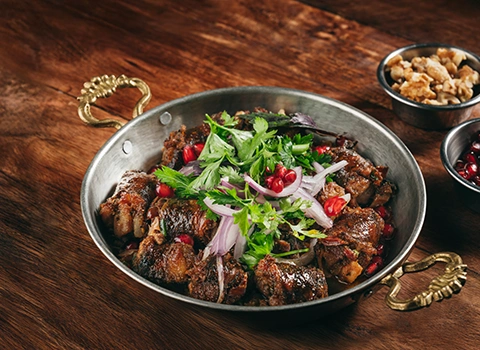
At Tsiskvili restaurant, kupati is prepared with great care, as every detail matters. Most importantly, the restaurant follows a traditional Megrelian recipe, which has become quite rare in Tbilisi.
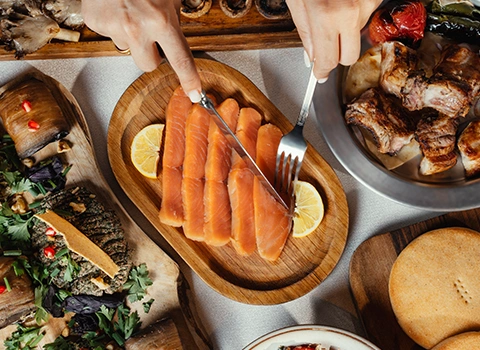
For barbecue and fish lovers, the "Tsiskvili" restaurant is a special place, as here you will find various types of fish grilled on a spit.
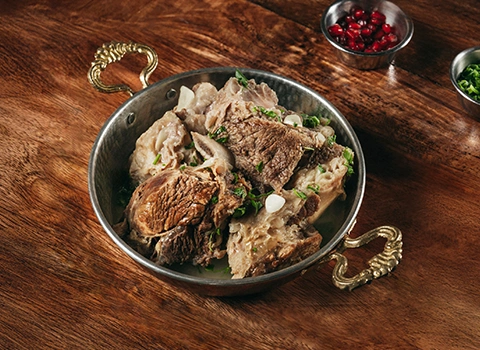
Today, you will see khashlama listed on the menus of many restaurants in Tbilisi. However, finding truly authentic Kakhetian khashlama is not easy.
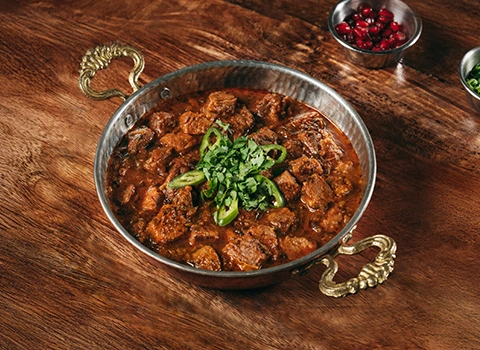
Ostri’s first and best companion is Shoti Bread. Breaking shoti by hand and dipping it into the sauce is an accepted (and expected) part of eating it. Leaving sauce behind or dunking the bread in using utensils is considered just as much a breach of Georgian etiquette as eating khinkali with a fork.
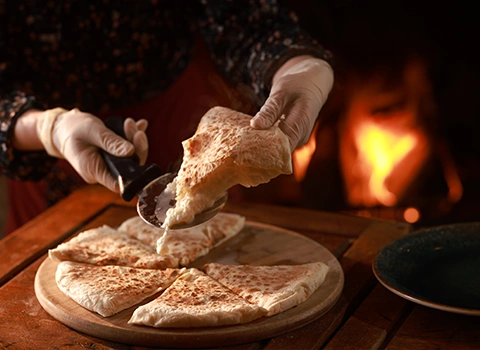
At Tsiskvili, we take pride in the fact that every dish begins not in the kitchen, but with our relationships with suppliers. Imeretian khachapuri is no exception.
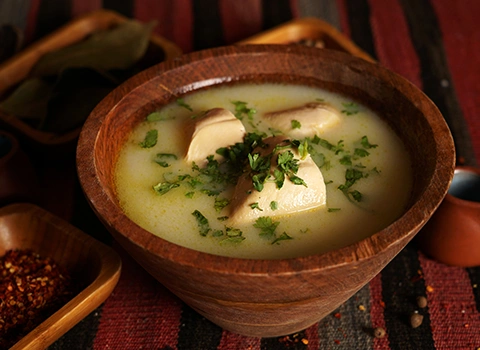
There are dishes that simply fill us up and give us energy, and there are dishes that, besides satisfying hunger, bring comfort, peace, coziness, and warmth. Chikhirtma is exactly this – a Georgian soup that, despite its few ingredients, has a rich flavor and is very healthy.
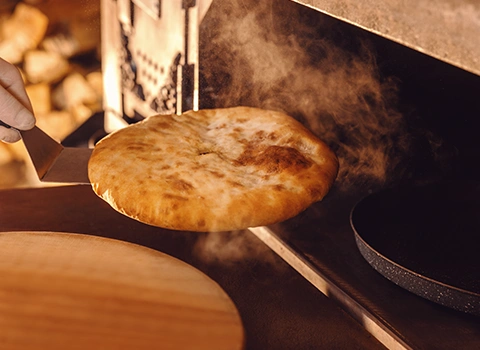
Svaneti captivates both Georgians and tourists not only with its impressive snowy peaks, valleys, waterfalls, and alpine meadows but also with its unique and distinctive cuisine. Just like the nature there, every dish from Svaneti has its own character. Among them, the most notable is Kubdari – considered the king of Svaneti cuisine and recognized as part of Georgia’s intangible cultural heritage.
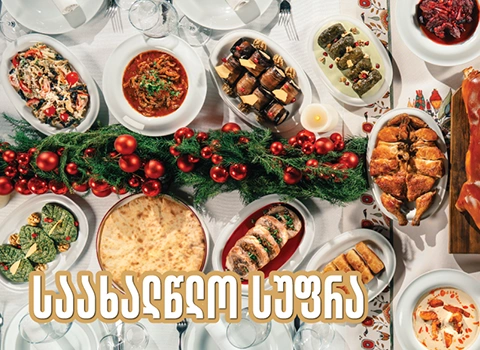
"Tsiskvili Group" has created a special New Year's menu for you, with the dishes included, you will be able to set the perfect table.
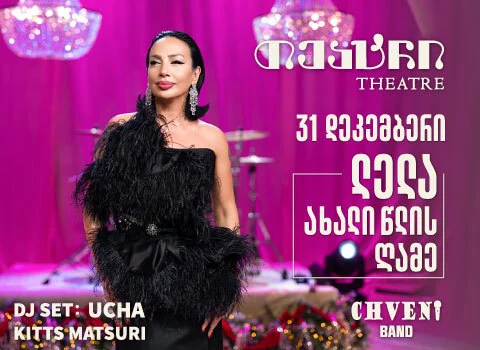
On December 31, New Year’s Eve, the “Tsiskvili's” “Theatre” will host the brightest and most cheerful celebration of the year — a night filled with music, joy, and unforgettable emotions.
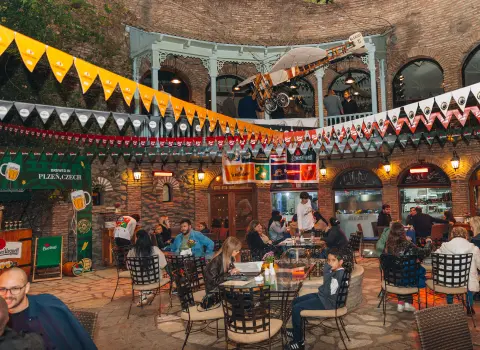
Beer Days have already become a beloved tradition for Tsiskvili and its guests. This was the third consecutive year that Beer Square hosted the event.

Those who wanted to celebrate Svetitskhovloba in a special setting, relax outside the city, and enjoy exquisite dishes against the backdrop of stunning views were hosted at Tsiskvili in Mtskheta.
.jpg.jpg.webp)
If you want to spend a pleasant and fun evening, don’t miss Beer Days at Beer Square!
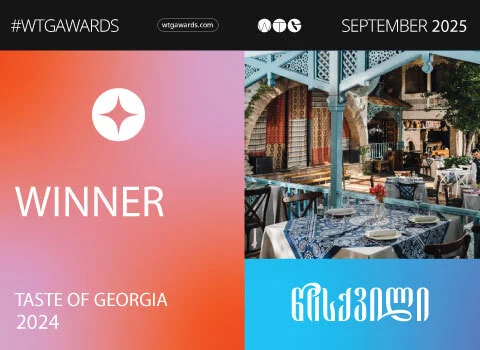
Over the past decade, Tsiskvili Group has received numerous awards in various categories, highlighting its significant contribution to the growth and success of the Georgian tourism sector.
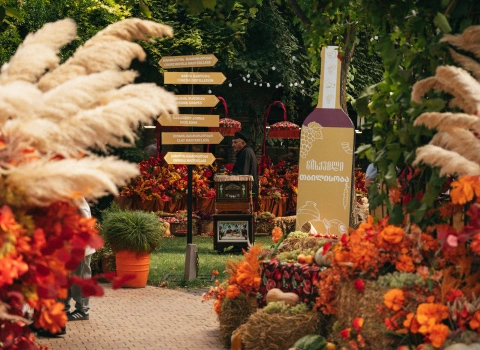
Guests attending the event will have the chance to participate in preparing traditional Georgian dishes. You’ll be able to take part in hands-on masterclasses, including khinkali wrapping, churchkhela making, grape treading, chacha distillation and tasting, and much more.
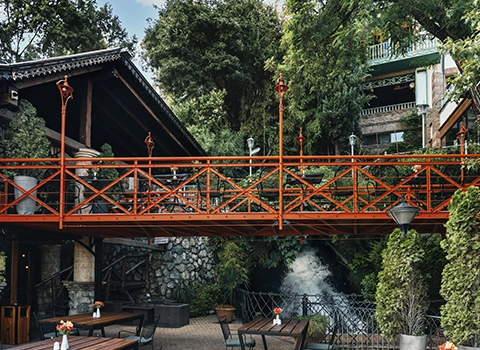
Ethno Tsiskvili is a restaurant that has consistently proven itself to be the best Georgian restaurant in Georgia, garnering numerous local and international awards over the years.

В Старом Тбилиси, на площади Горгасали, где столетия назад располагался главный рынок города, в течение двух дней проходил Фестиваль грузинского вина и регионов. Гости смогли попробовать традиционные грузинские блюда и аутентичные местные вина.
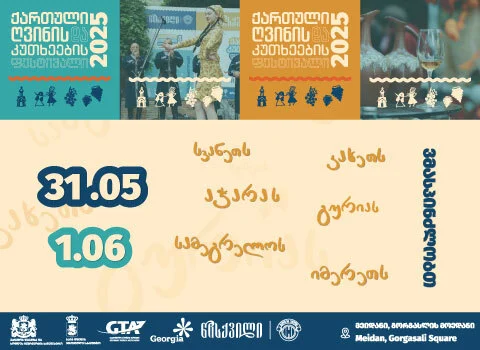
On May 31 and June 1, the “Festival of Georgian Wine & Regions” will take place in Old Tbilisi, at one of the city’s main tourist destinations—Gorgasali Square. The event is organized by Tsiskvili Group and Meidan Group.
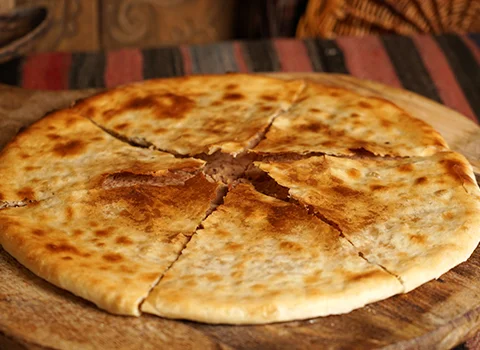
If you’re diving into Georgian cuisine, you’ve got to try Lobiani. This beloved pastry, stuffed with a savory bean filling has a special place on a Georgian table, and it’s one of those dishes that every region has its own spin on. There’s tradition, flavor, and history—and every bite tells a story.
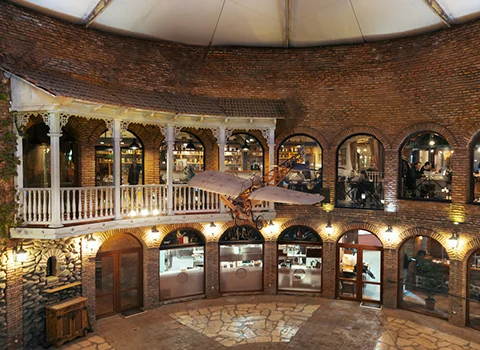
In 2002, a restaurant opened on the banks of the Mtkvari River in Tbilisi, completely transforming perceptions of Georgian dining spaces.

Wedding planning is simultaneously a joyous and stressful process. Everything needs to be perfect on this day - the environment, the mood, the dishes. That's precisely why couples entrust us with organizing this special day.
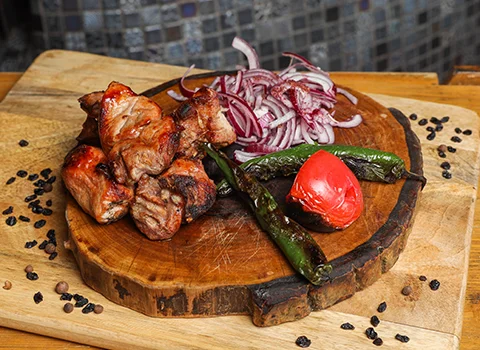
For centuries, the Georgian Supra (feast) has been much more to the Georgian people than just lunch or dinner. It's a tradition where family members and friends gather around a large table, enjoying delicious traditional dishes, reminiscing about childhood stories, and sometimes even singing traditional Georgian polyphonic songs called "Mravaljamieri."
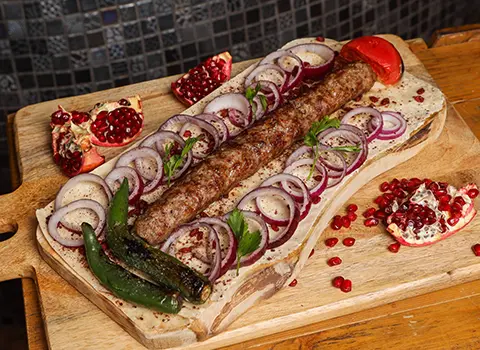
Although you can taste kebabs in many restaurants, finding a truly noteworthy version of the dish is often challenging. That's because meat quality, preparation method, and ingredient selection all play crucial roles - mess up one part and you’ll mess up a whole dish. This blog will briefly introduce you to the main criteria that will help you make the best choice—whether it's lamb, veal, chicken, or mixed meat kebab.
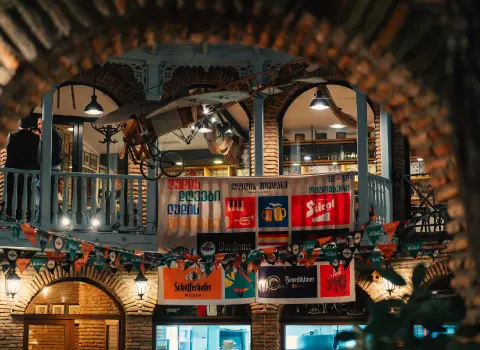
Enjoy delicious grilled dishes and authentic Georgian flavors, alongside a wide selection of German, Austrian, Dutch, and Czech beers. With top-quality service, an outstanding atmosphere, and live music.
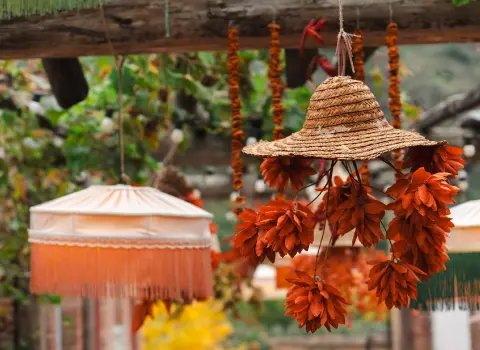
For those looking to celebrate "Svetitskhovloba" and relax outside the city, they discovered a fantastic atmosphere, delightful dishes, and a perfect mood at “Tsiskvili in Mtskheta”.

If you’re seeking a cozy atmosphere paired with high-quality cuisine, the beer square is the perfect destination. Don’t miss out on this exciting two-day beer festival!
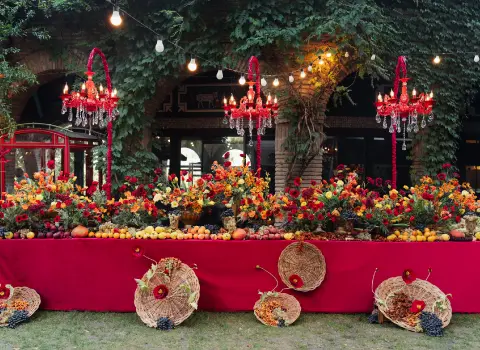
Guests enjoyed unforgettable moments in a yard filled with autumn leaves and delicious dishes, where Georgian hospitality and joy were seamlessly intertwined.
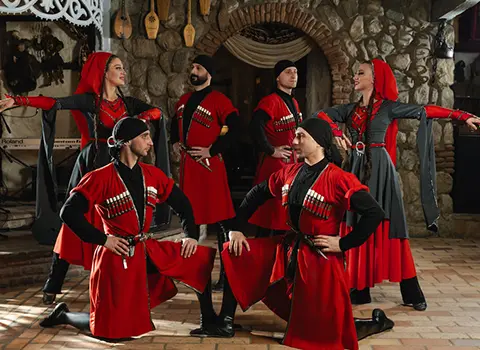
Georgia's cultural heritage, shaped over centuries, stands out in visitors’ eyes with its diversity and depth. One of such standout elements is local folklore, including traditional dances and songs.

Georgia is known as the birthplace of wine. Archaeological data confirms that winemaking in the region began approximately 8,000 years ago, giving the country a uniquely important place in the history of viticulture.
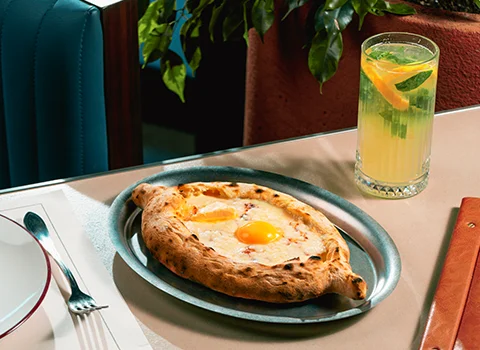
Georgian traditional cuisine is famous for its diversity of ingredients and flavors. But you might be surprised to learn that these dishes also reflect culture, lifestyle, and history. Adjarian khachapuri is a clear example of such a dish.
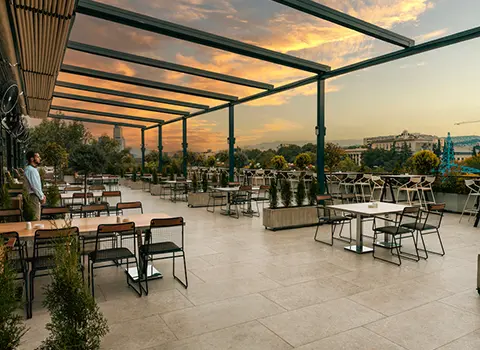
Still haven’t decided what to see in Tbilisi and, most importantly, how to experience Georgian hospitality? We assure you that the capital of Georgia is a place rich in historical and cultural monuments, and you certainly won’t have time to get bored. And you should definitely visit the "Tsiskvili Group" restaurants along the way to get an authentic Georgian culinary experience.
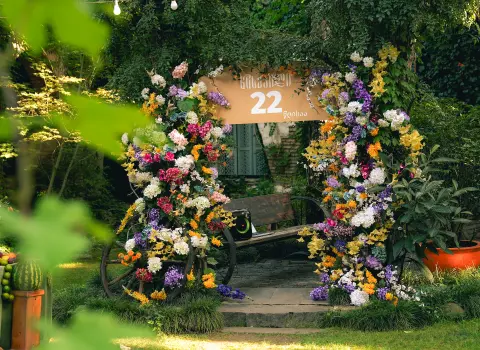
To mark this special day, the restaurant's courtyard was beautifully decorated, with each corner thoughtfully arranged for guests to take stunning photos, making the event even more charming and memorable.
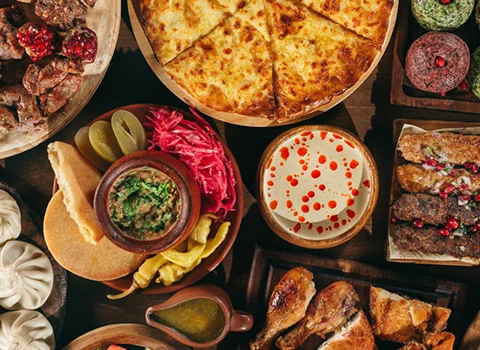
Georgian cuisine has a rich history and is characterized by unique flavors. The most famous dishes reflect the culture, traditions, and lifestyle of the Georgian nation. Behind each dish is a story closely related to various aspects of Georgian culture - from the religious holidays to the everyday customs.
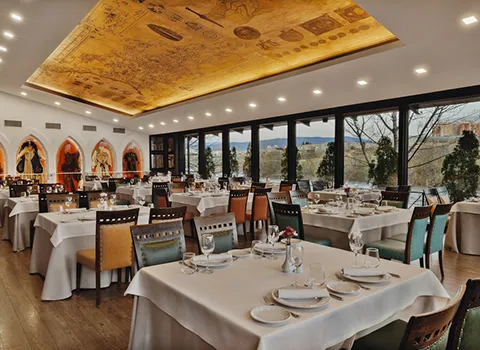
Large-scale celebrations and corporate events can be important times in our lives that deserve special attention. Be it a birthday, anniversary, wedding, engagement, or corporate event - all of them require careful planning so the guests can have a pleasant time.
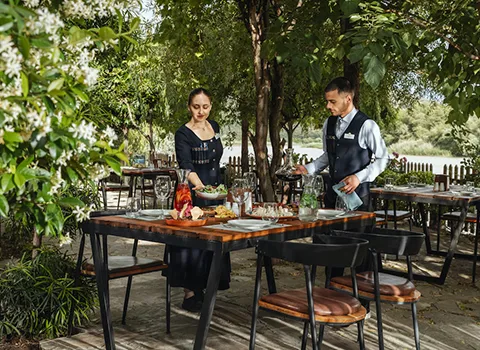
With the summer in full swing, more and more people face the challenge of finding comfortable places for meet-ups and hangouts.
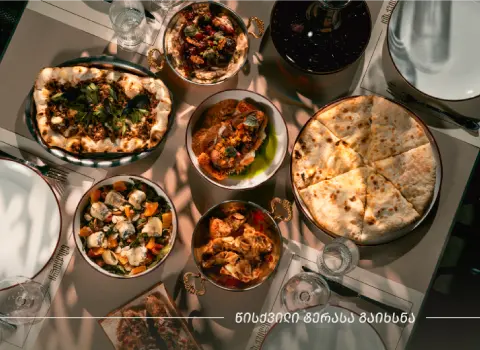
"Tsiskvili Group" has opened another new restaurant - "Tsiskvili Terrace", which will host guests from today. It is located in Tbilisi, on the Zviad Gamsakhurdia Embankment 80, and is the 8th restaurant in a row of "Tsiskvili". The new branch combines a hall, terrace, and stained glass spaces.

Initially, "Tsiskvili" was a restaurant for 100 guests, which was built in 2002 on Beliashvili Street. At that time, there was no transport in this area, so no one believed that in a few years it would become a complex of this scale. Originally, there was "Ethno Tsiskvili," which still maintains trust and quality, and as a result, holds an unshakable position in the market.
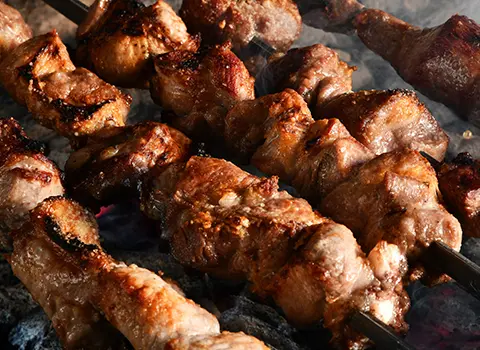
One of the most distinctive dishes of Georgian cuisine is Mtsvadi. Its history spans centuries. Unlike American barbecue, which is cooked on a special closed grill, Mtsvadi is prepared over an open fire - The meat put on a skewer is placed on a slow fire and gradually approaches its final condition.
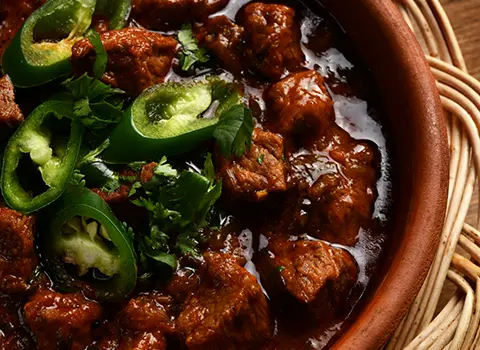
Today's pace of life differs significantly from the past. While going to restaurants and cafes was more common in the past and there was enough free time for it, today, due to the fast-paced and busy lifestyle, customers prefer to order dishes delivered to their homes. Against this backdrop, the popularity of delivery services is rapidly growing, as it allows saving time and energy.
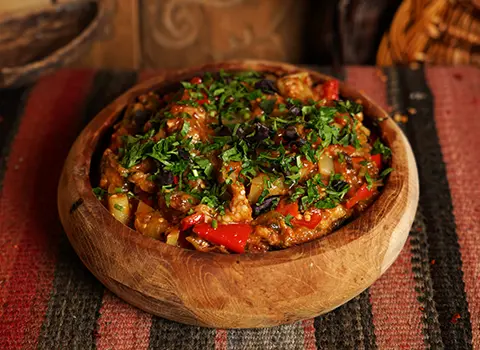
In recent years, vegetarian and vegan diets have become increasingly popular. People choose this type of diet for various reasons, including ethical considerations related to the use of meat, personal health concerns, environmental protection, and more.

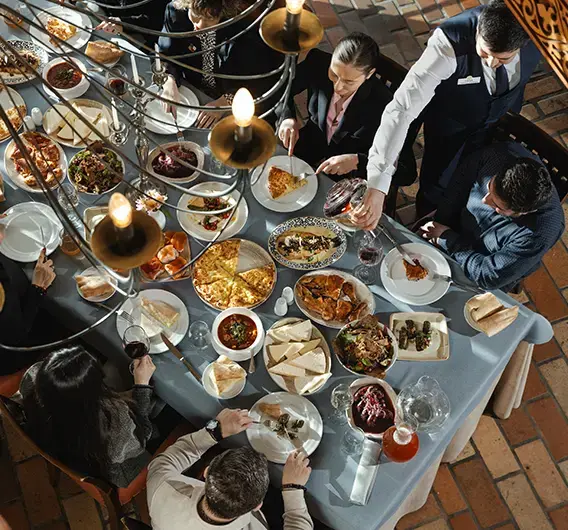
Since 2002, the "Tsiskvili Group" has been known as one of the best places in the capital to get to know not only Georgian food, but also local architecture, culture, and folklore.
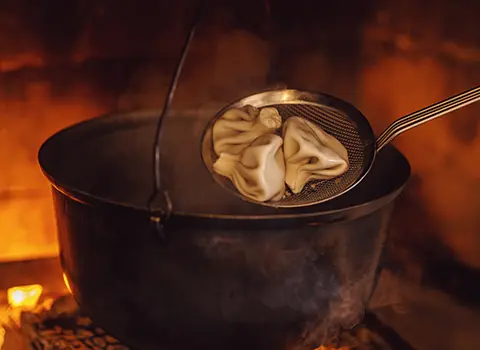
The centuries-old history of Khinkali begins in the mountains of Georgia. For the residents of the mountain, especially Fshavi and Tusheti, khinkali was a suitable dish for cold winter days - they gathered around a freshly lit fire and ate a hot dish full of broth.
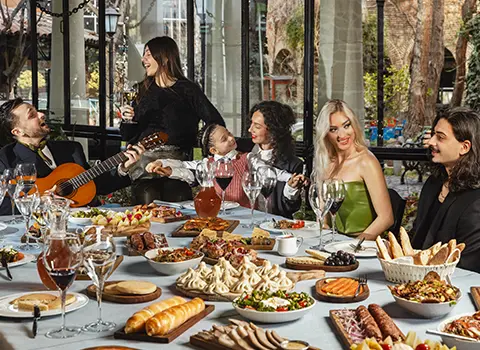
Family outings, including restaurants, are the best way to spend time, relax and make new discoveries. But in this process, important obstacles appear.
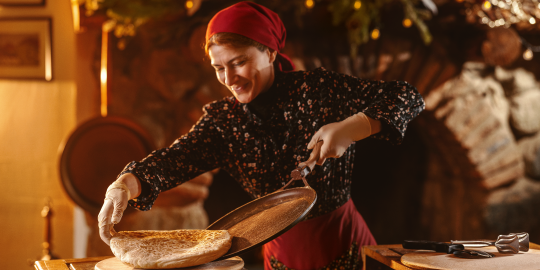
For tourists, all "Tsiskvili" restaurants are a must-visit when in Tbilisi and its environs. In recent years, new locations outside the city have been added to the "Tsiskvili" restaurant chain, including Tskneti and Mtskheta.
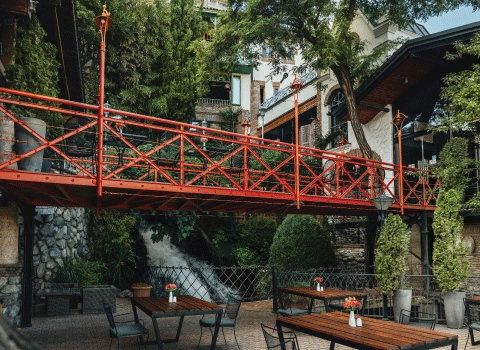
Few people know that "Ethno-Tsiskvili" has a long and very interesting history of development. Everything started in 2002. At that time, the street where the restaurant is located was not infrastructurally organized, nor was it distinguished by a normal road.
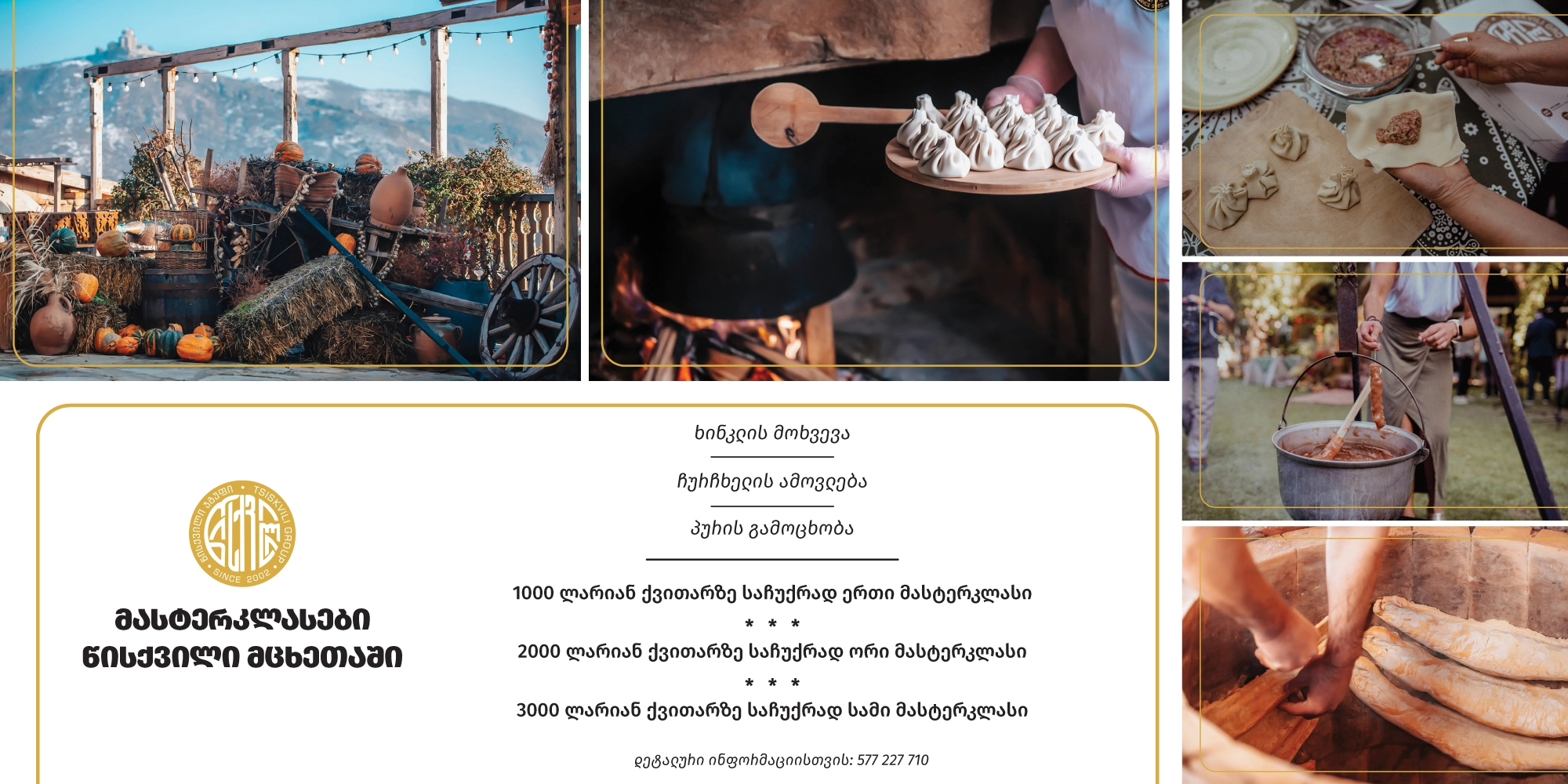
If you plan a tour of Mtskheta and decide to treat your tourists to traditional Georgian cuisine at our restaurant, where they will enjoy an interesting environment and beautiful views, we will offer you complimentary master classes based on your total expenditure.
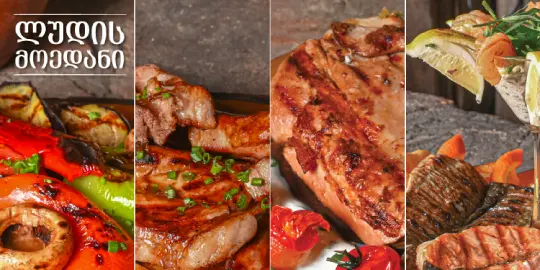
Khinkali, Mtsvadi, kebab, and other traditional Georgian dishes, as well as a grill menu - this is a small list of Beer Square dishes, which the chefs will prepare in front of you on an open grill.

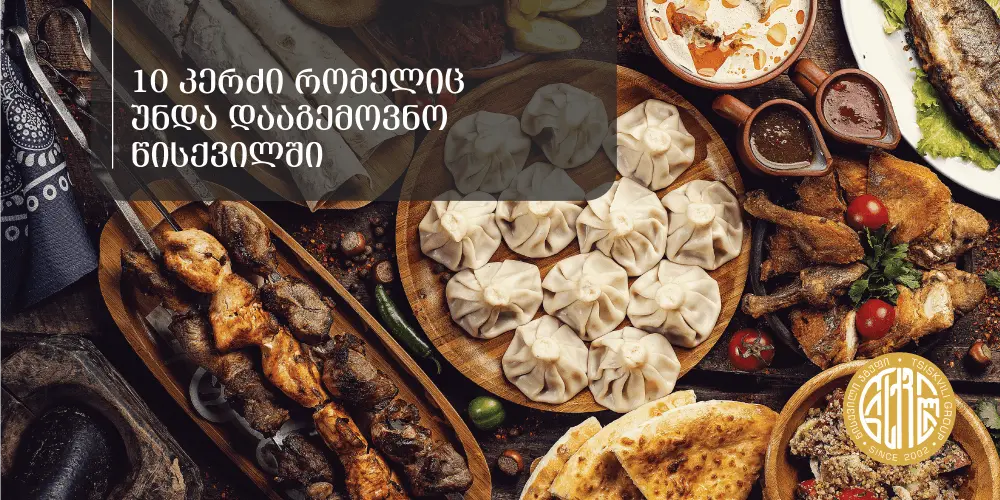
If you're planning a trip to Georgia and seeking a place to savor authentic Georgian cuisine, look no further than the Tsiskvili restaurant. Even for locals, this article is a valuable read, as it showcases the best of Georgian culinary delights. Discover the 10 outstanding dishes that Tsiskvili has to offer, ensuring an unforgettable taste of Georgia's rich flavors.
.jpg.webp)
Guests will be able to taste a specially created menu featuring Tushetian khinkali and grilled dishes. They will also have a wide range of premium beers to choose from, including German Warsteiner, Schofferhofer, unfiltered Benedictine, Dutch Grolsch, and Czech Pilsner. Additionally, guests will have the opportunity to purchase beer at a special price during Beer Days.
.jpg.webp)
In an extraordinary collaboration that bridges the worlds of art and entertainment, Tsiskvili Group's "Theatre" and Ria Keburia Art Space are all set to redefine the traditional art auction with an innovative and immersive live auction experience.
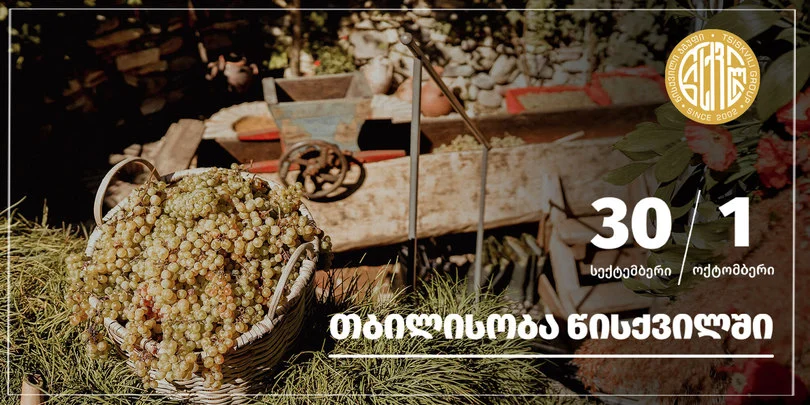
On September 30 and October 1, visitors to Tsiskvili restaurant will be greeted by the autumn mood. A yard filled with delicious sweets, authentic Georgian dishes, folk and choreographic performances - this is just a glimpse of what Tsiskvili will offer to the public in Tbilisi.
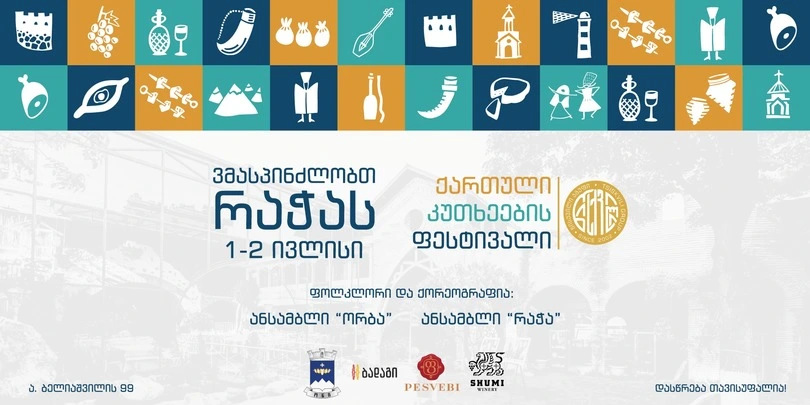
This weekend, on July 1-2, at the "Festival of Georgian Regions," representatives of Racha will introduce guests to the culture and unique cuisine of their region.

"Festival of Georgian Regions" will host another outstanding region, Adjara. Representatives of Adjara will introduce their culture and cuisine to the guests in the yard of Tsiskvili on July 29 and 30.
For those getting ready for Tbilisi Open Air and excited to meet their favorite artists, there's another pleasant surprise awaiting - Tsiskvili restaurant has joined the Festival.

Masterclasses will be offered in the yard, allowing participants to cook unique Megrelian dishes with the chefs. An exhibition and sale will also be featured, offering products from Megrelian and local Georgian companies.
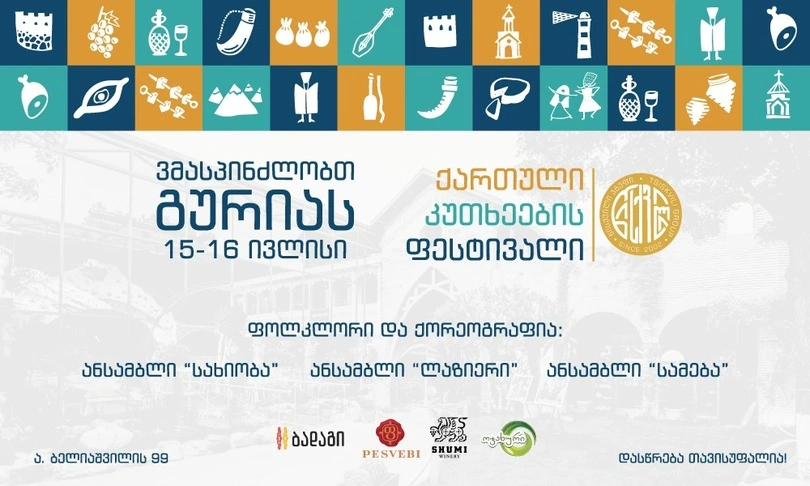
"The Festival of Georgian Regions" will continue with Guria days in the yard of Tsiskvili. Representatives from Guria will present their region to guests on July 15 and 16.
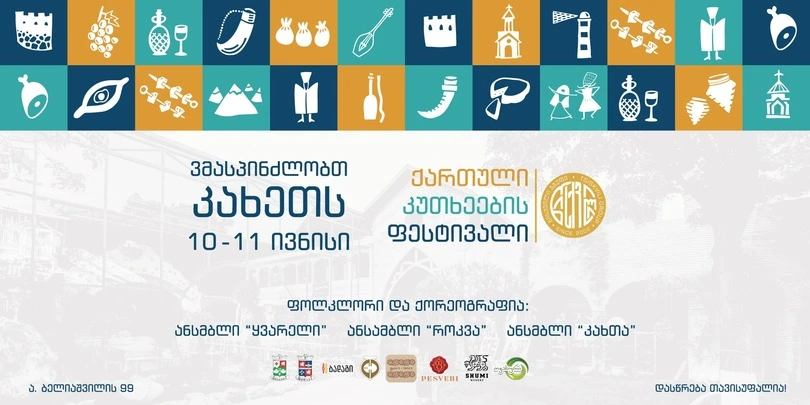
On the weekend of June 10-11, The culture of Kakheti will be showcased in the Tsiskvili's yard. offering guests authentic folklore, choreography, and the delights of Kakhetian wine and cuisine.
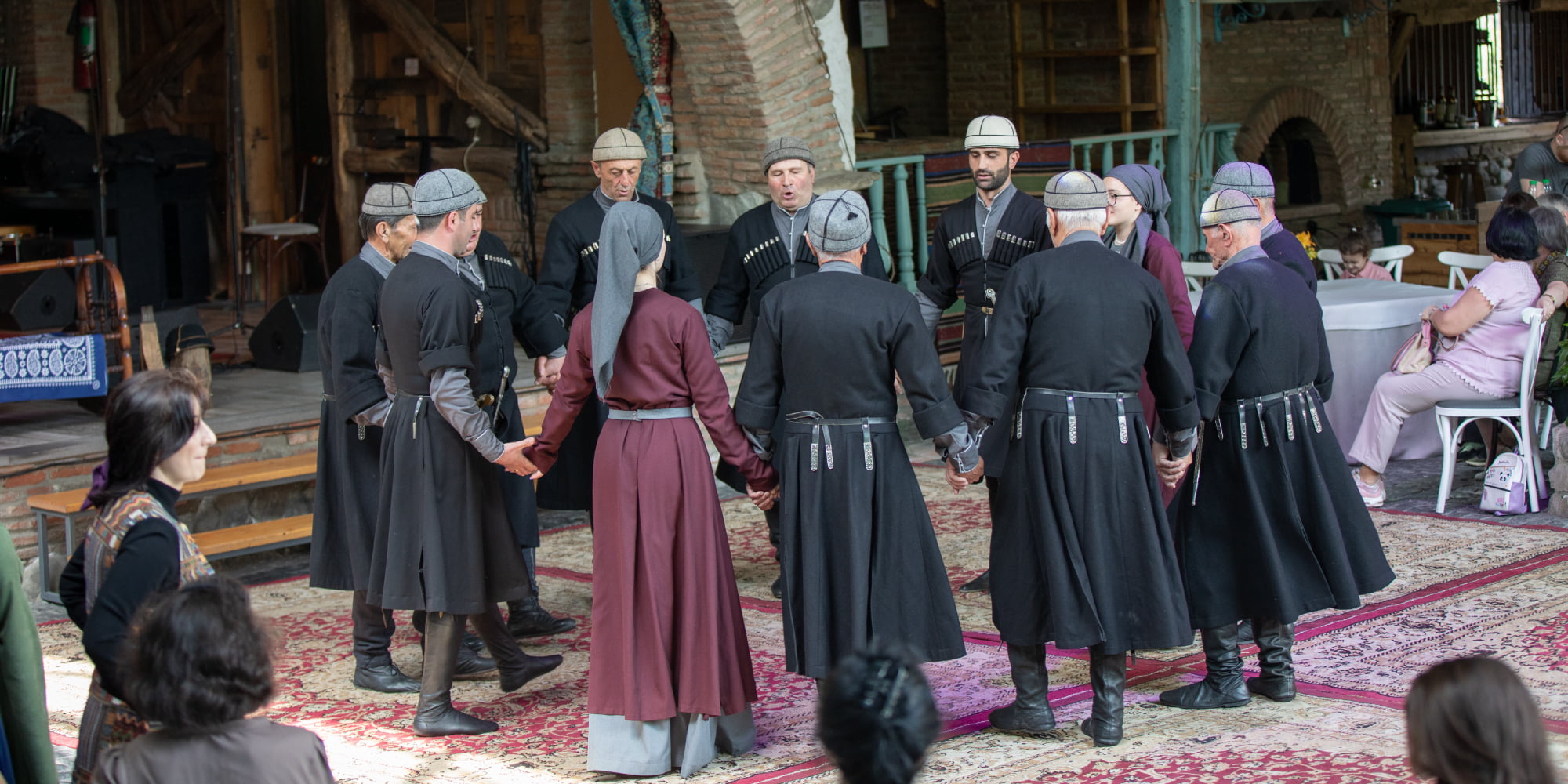
On June 3-4, Svaneti days were celebrated in the Tsiskvili's yard. During these two days, guests had the opportunity to indulge in outstanding Svanetian dishes, experience the folklore and choreography of the region, and take part in various activities.

On June 3 and 4, guests at Tsiskvili Yard will embark on a journey to Svaneti as part of the "Festival of Georgian Regions," where they will learn about its culture and savor the unique flavors of Svan cuisine. Svaneti is the second region, after Imereti, that the "Tsiskvili Group" is presenting to Georgian and foreign guests.
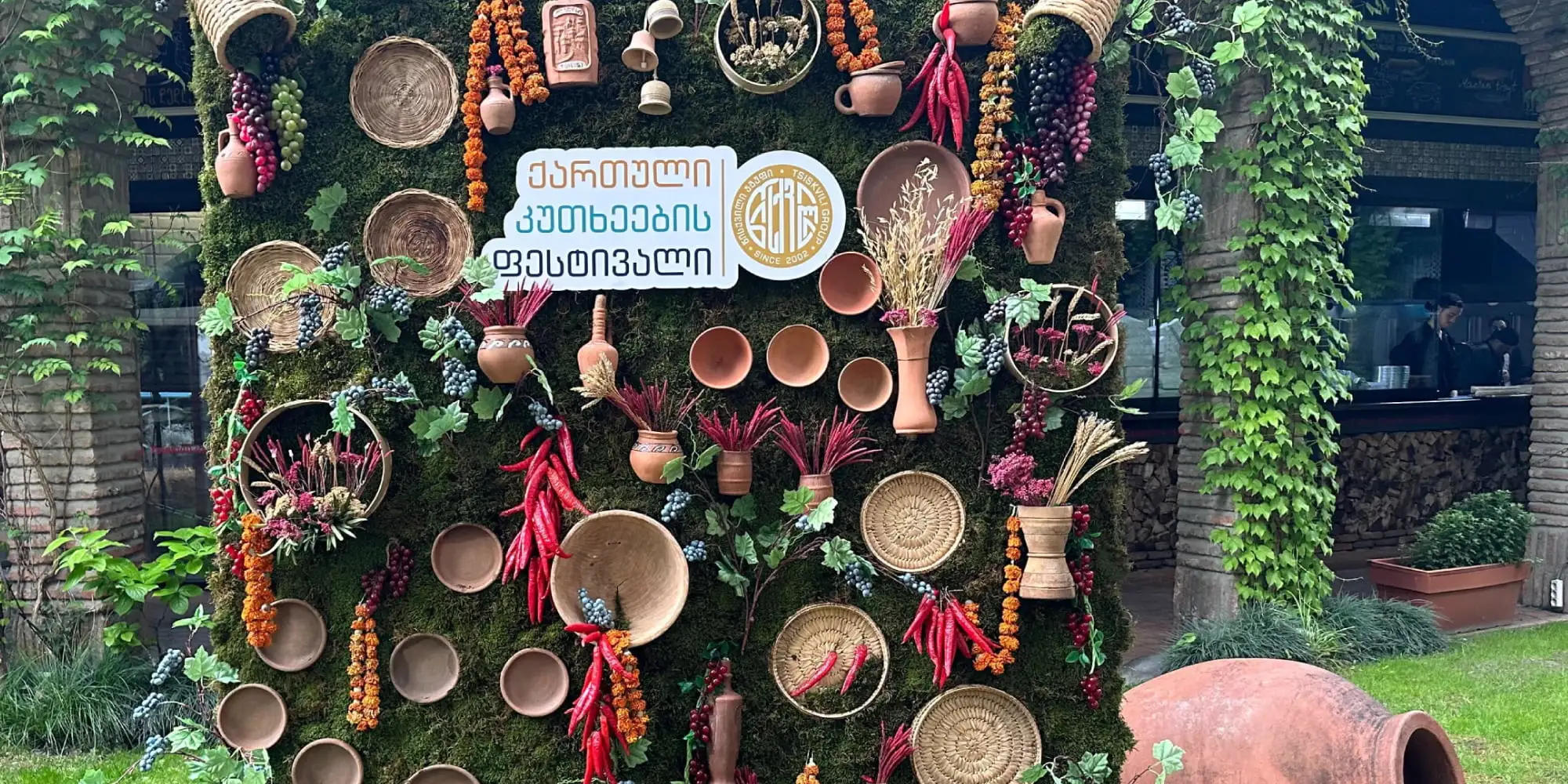
On May 20-21, Tsiskvili hosted Imereti. During the two days, guests had the opportunity to get to know this region of Georgia through its distinctive folk songs, choreographic numbers, and dishes, and to participate in various activities.

On May 20, the "Festival of Georgian Regions" will open in the yard of Tsiskvili with the days of Imereti, introducing Georgian and foreign guests to the authentic culture and gastronomy of Imereti.
.jpg.webp)
The "Festival of Georgian Regions" is another initiative of the "Tsiskvili Group" aimed at popularizing the culture, folklore, choreography, and gastronomy of the country's various regions.

Approximately 400 specially invited guests attended "The Show," enjoying both the captivating performance and an exquisite dinner crafted specifically for the occasion under the guidance of Alex Natadze, the culinary expert behind the "Theatre" brand.
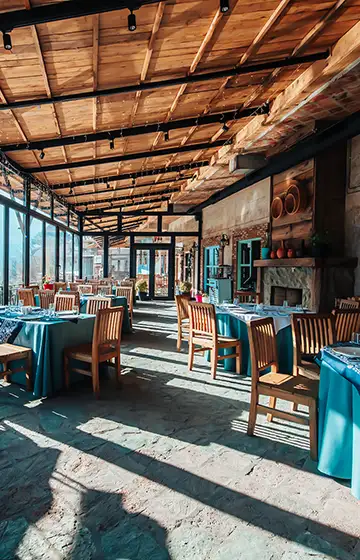
"The Tsiskvili Group proudly introduces its latest venture, a cutting-edge concept space - 'Theatre,' located on Beliashvili Street. This versatile venue comprises a stage and pavilion designed to host a diverse array of styles and genres. In a unique twist, guests attending events at 'Theatre' will also have the opportunity to enjoy a delightful dinner.
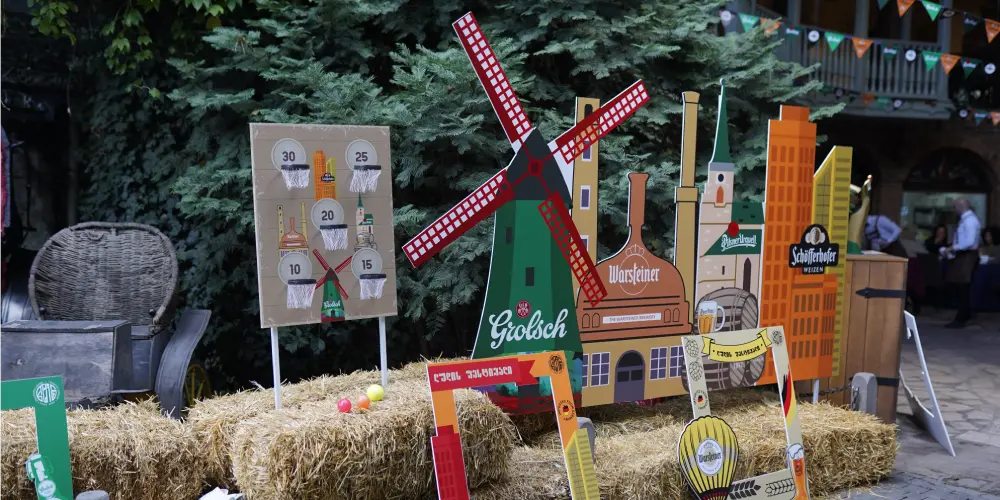
"On October 27-28, Tsiskvili Restaurant played host to a vibrant two-day beer festival at Beer Square. Attendees had the opportunity to savor premium-quality beers, including German Warsteiner and Schoferhofer, Dutch Grow, and Czech Pilsner—all available at half price during the festival.

"On October 28, Georgia hosted its inaugural national real estate awards ceremony, the Property Georgia-FIABCI-Georgia Prix D'Edx d'A Excellence Awards. Winners across 11 categories were unveiled during the event, with the restaurant Tsiskvili receiving the coveted Golden Award in the Retail Category.

For beer enthusiasts looking for a quality brew and a good time, a two-day celebration awaits. On October 27-28, the beer festival will take place at the beer square in Tsiskvili, offering a variety of entertainment activities and live music.