
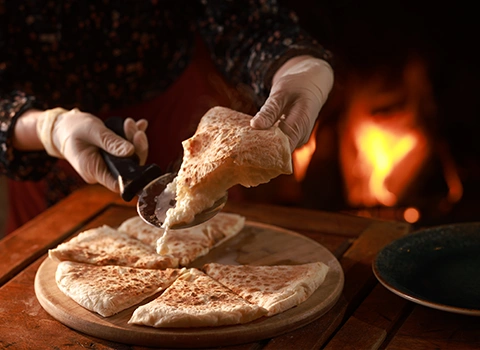
Where to Find the Best Imeretian Khachapuri in Tbilisi
Imeretian khachapuri is easily one of the best recognized symbols of Georgian cuisine. No matter where in the country you are, you’ll hardly find a Georgian restaurant with a menu that doesn’t include it. Yet popularity alone is not a guarantee of consistent quality. In fact, precisely because it is so widespread, many eateries add Imeretian khachapuri to their menus even when they can’t prepare it to proper standards—using pre-frozen khachapuri dough or overly salty, rubbery cheese. And when ingredients aren’t up to par, Imeretian khachapuri starts lacking the very qualities that once made it a part of Georgian cultural identity.
For Georgian food lovers, finding truly authentic khachapuri—one made without shortcuts or cheap substitutions—can be a challenge. The secret to a good Imeretian khachapuri is in high-quality ingredients; while the secret to the best khachapuri is the precise balance between them.
At Tsiskvili, this principle guides the kitchen. We know the defining trait of a well-made Imeretian khachapuri—the cheese should slightly outweigh the dough. It’s this exact proportion that separates a truly scrumptious khachapuri from an ordinary, bread-heavy pastry.
What Should a True Imeretian Khachapuri Be Like? The Ideal Formula of a Traditional Recipe
At its core, Imeretian khachapuri is a pretty simple dish. It’s that simple does not mean easy. The quality of the cheese is largely responsible for the quality of the dish. A traditional recipe typically calls for green cheese: mildly salted, delicate in texture, and not yet fully matured. If the cheese is too salty, it will lose elasticity and moisture during baking, becoming grainy and uneven, with filling ending up in clumps instead of melting smoothly. Proper green cheese, on the other hand, melts evenly in the oven, becomes beautifully stretchy, and spreads proportionally underneath the khachapuri dough. In modern recipes, Imeretian cheese is often blended with sulguni to achieve a more uniform texture. When baked, sulguni adds extra elasticity and stretch to the filling.
As for the dough itself, traditional recipes generally fall into two categories: matsoni-based or yeast-based. Regardless of the method, the result should be the same, a soft and fluffy dough that’s sturdy enough to be rolled thin without tearing or losing the filling. Once out of the oven, khachapuri should have a golden hue and a lightly crisp surface. When sliced, the melted cheese should not spill out, but hold together in a cohesive, evenly distributed layer. That way, every bite should be balanced (and delicious!).

What Makes “Tsiskvili” Khachapuri Different?
At Tsiskvili, we take pride in the fact that every dish begins not in the kitchen, but with our relationships with suppliers. Imeretian khachapuri is no exception. Our chefs never use factory-made, low-quality mixes. Tsiskvili’s khachapuri is prepared daily with fresh, natural cheese brought in from the regions and dough kneaded from high-quality flour.
Our bakers work the dough on site, just before baking for incoming order. This way, we make sure there’s no place for the use of frozen products. Carefully selected ingredients, chosen according to our own high internal standards, ensure the flavor of what many Georgian guests fondly compare to the khachapuri their grandmother used to bake when they were young.
Imeretian, Megrelian, or Adjarian — Why Choose the Simple Classic?
If Georgian cuisine excels at anything, it’s variety—especially when it comes to khachapuri. Every region offers its own distinctive interpretation. Still, among the long list, Imeretian, Megrelian, and Adjarian khachapuri stand a step above the rest when it comes to popularity.
Adjarian and Megrelian versions are noticeably richer than Imeretian. Adjarian khachapuri owes its heaviness to the egg and butter added to the filling, while Megrelian khachapuri has an extra layer of cheese—usually melty sulguni—on top. When compared to them, Imeretian khachapuri is much lighter.
Adjarian khachapuri has both a distinct form and complex flavor. It can often serve as a meal on its own for lunch or dinner. A standard portion can feel too filling for one person and is rarely paired with other dishes. In contrast, Megrelian and Imeretian khachapuri are more often treated as dishes for sharing. They’re served alongside other foods, are easy to slice, and can be indispensable at gatherings.
That said, Megrelian khachapuri, like Adjarian, is heavier, more filling and fatty. Imeretian khachapuri usually feels lighter, making it a more popular choice for Supra—especially when children or foreign guests are present, for whom the Megrelian version may be uncomfortably rich.


What Should You Eat Imeretian Khachapuri With?
One reason Imeretian khachapuri is indispensable for Georgian Supra is how effortlessly it pairs with other dishes. Guests can reach for it at any point, be it at the beginning of the meal or toward the end. Still, not every pairing works equally well and the right combinations can highlight its flavor better and make the experience even more enjoyable.
One classic option is to pair Imeretian khachapuri with a traditional Georgian salad. A cucumber and tomato salad with walnuts (and Kakhetian oil, if you don’t find it too heavy) balances the richness of hot cheese with its fresh, vibrant flavors.
For the same reason, khachapuri is often served alongside pkhali. The lighter the pkhali, the better—spinach or leek pkhali, lightly seasoned with vinegar and walnuts, is an excellent choice. While beet or carrot pkhali, with their more intense flavors, can create an appealing contrast.
As for drinks, khachapuri is traditionally paired with lemonade or Georgian wine, with flavors largely depending on personal taste. If we follow a more European approach to pairing cheese and wine, the best match would be a light white wine with high acidity, to help balance the fat. Classic Tsinandali, as well as traditional Imeretian Tsitska and Tsolikouri, are excellent options. Red wine is trickier: its heavy tannins can react poorly to salt, leaving an unpleasant bitter, metallic aftertaste. Reds also tend to have lower acidity, making them less effective at cutting through fat. The best choice here is a semi-sweet or sweet red with relatively soft tannins, such as Kindzmarauli or Khvanchkara.
No true Georgian Supra is complete without a good Imeretian khachapuri. It’s a tradition that brings us together. Visit Tsiskvili restaurants in Tbilisi, Tskneti, or Mtskheta, try our signature Imeretian khachapuri, and see for yourself why quality, for us, is an inseparable part of tradition.
To see the exact addresses of Tsiskvili restaurants, follow the link. To reserve a table, call +995 032 2 00 55 55.
Other news
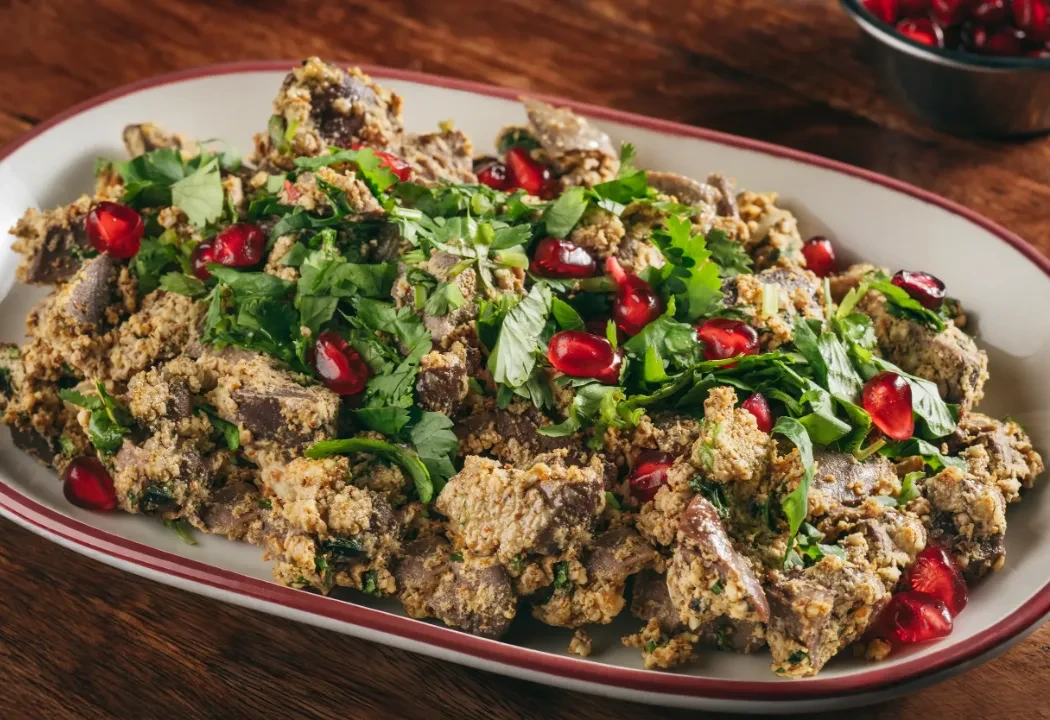
Hot Megrelian kuchmachi with pomegranate and cold pork kuchmachi with walnuts: how the dish is made and which Georgian wine to pair it with at Tsiskvili.

Live polyphonic singing, folk dances and a natural waterfall: what the show at Ethno Tsiskvili includes and how to plan your evening.
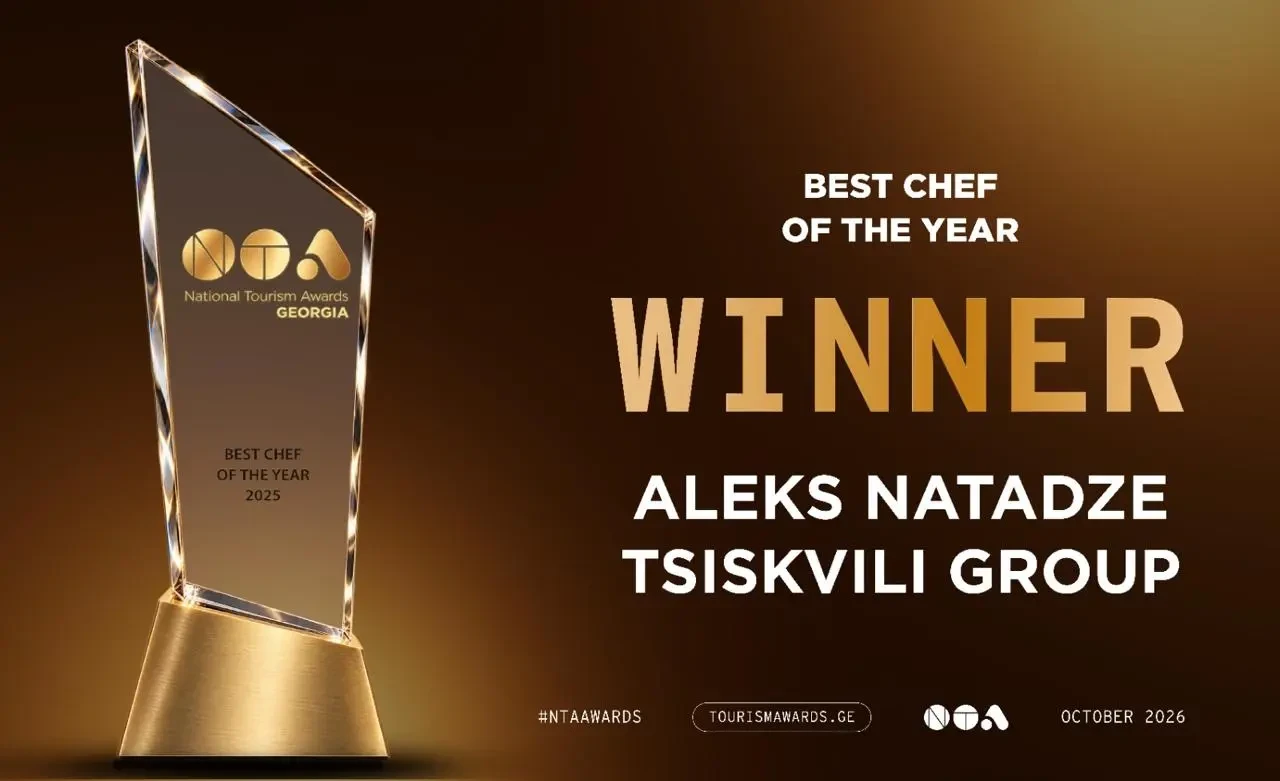
Alex Natadze, Brand Chef of Tsiskvili Group, won the “Chef of the Year” award at the National Tourism Awards.

On October 23 and 24, Beer Days took place at Beer Square in Tsiskvili. We welcomed our guests with delicious dishes and premium European beer at half price.
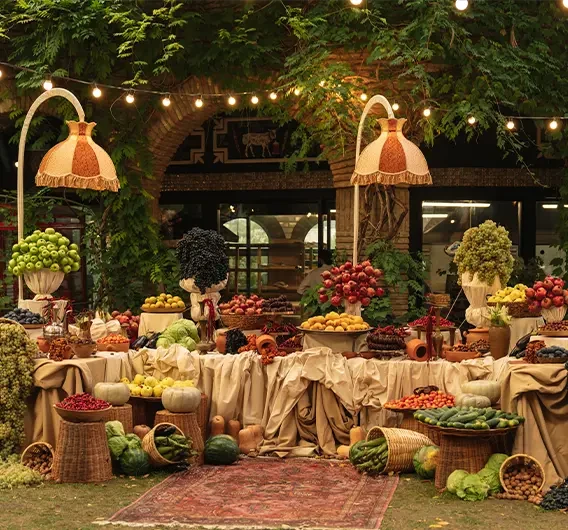
On October 3 and 4, the Tsiskvili courtyard came alive with a true Tbilisi celebration. Over two days, we welcomed our guests with Georgian dance and folklore, delicious tastings, and a variety of activities for both adults and children.
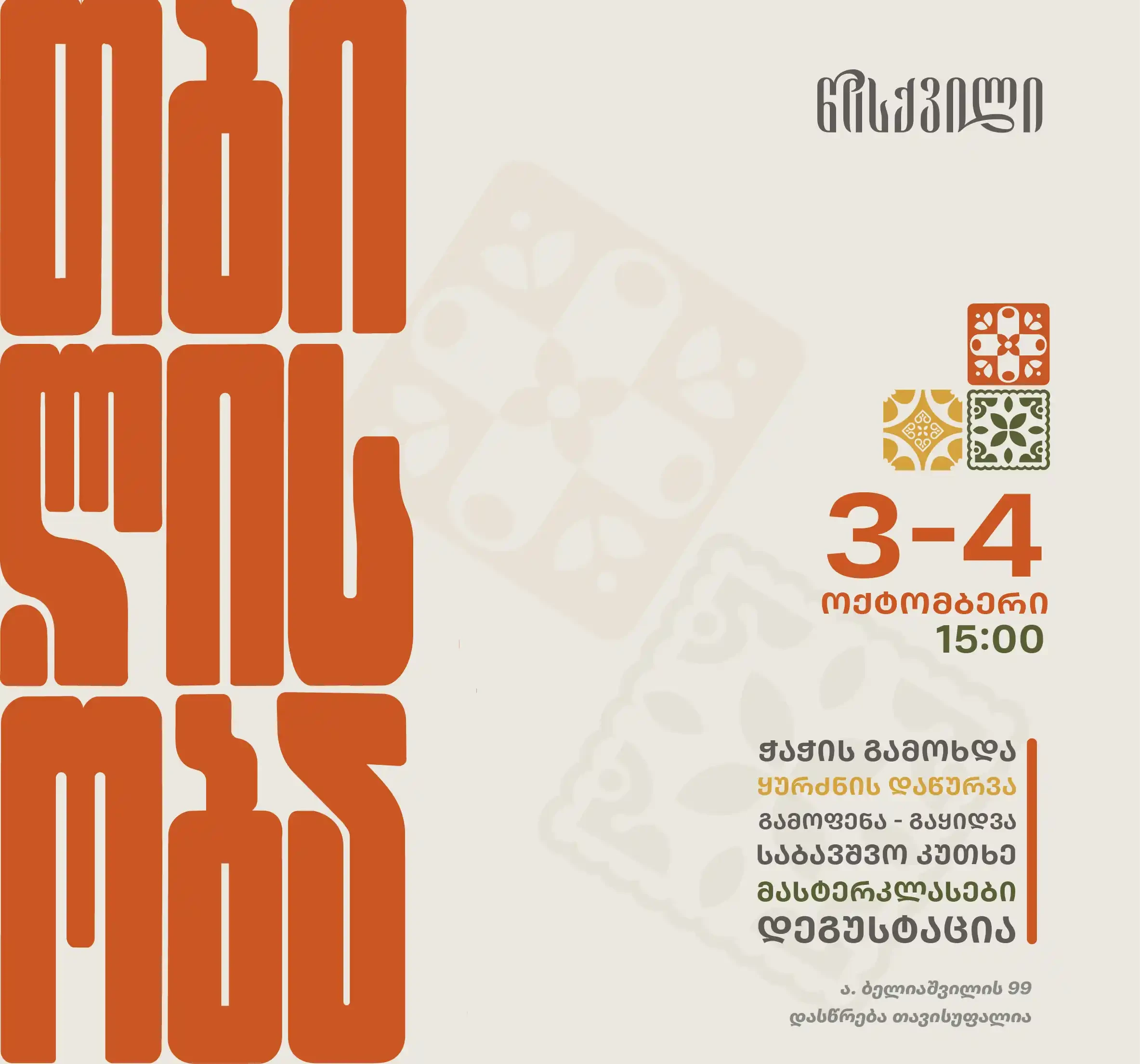
On October 3 and 4, 2026, Tsiskvili Group will celebrate Tbilisoba with a special program.