

How to Pair Georgian Wine with Dishes: A Short Gastronomic Guide
Georgia is known as the homeland of wine. Archaeological digs confirm that winemaking began on its territory roughly 8,000 years ago, the oldest date on record. That gives the country a distinct special standing in the history of wine.
Georgian wine culture was an intrinsic part of its development over centuries. It plays a major part in Georgian identity, hospitality and tradition. Over that long history, Georgian winemakers worked out their own methods of making wine and held on to the endemic grape varieties that set Georgian wine apart on the world market today.
More than 500 native grape varieties have been recorded in Georgia, though these days only about 40 are used for commercial wine production. The range of endemic varieties lets wine lovers discover unique flavors and aromas, often nothing like those of the well-known European wines.
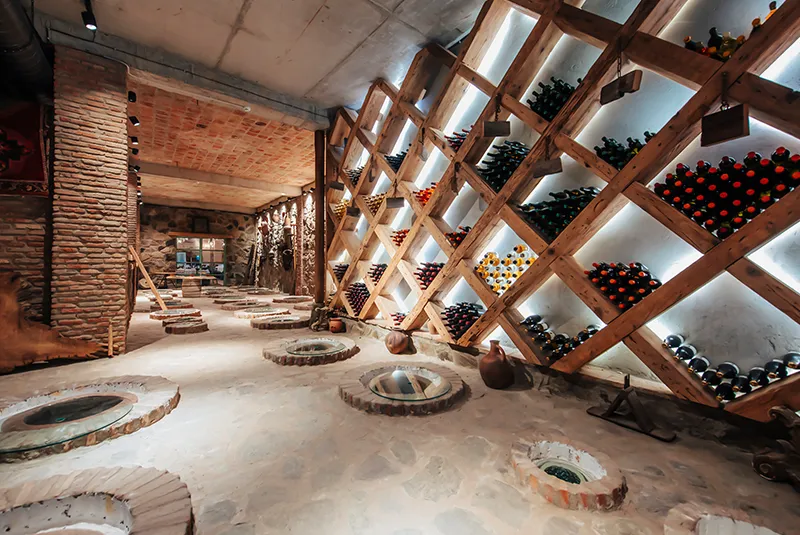
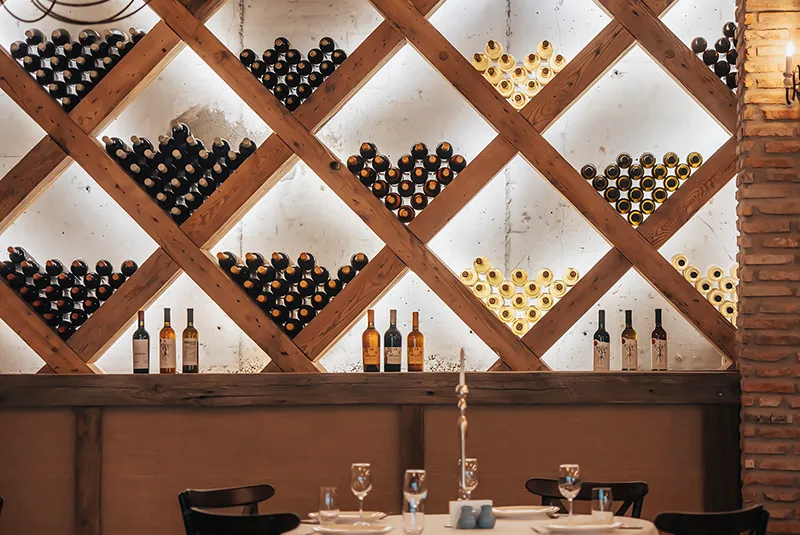
The Tsiskvili Group's restaurants wine cards are stacked with unique options made by small wineries from endemic varieties. It’s not just foreigners who get a good introduction to Georgian winemaking, but local guests often also get to know their wine in a completely new way.
How Do People Choose Georgian Wine at the Table?
Rkatsiteli and Saperavi are the traditional choices served at most Georgian supras. They are undoubtedly the most popular Georgian wines, and are often used as nigh-synonymous for white and red. When they’re served, rarely do you get to see any other wine on the table. Most people would be surprised and consider it unusual if there was Ojaleshi or a Kindzmarauli served alongside Saperavi.
At the Georgian table, wine is seldom poured on the principle of "red with meat, white with fish." If there is a jug of white on a big table, it is usually Rkatsiteli; if it is red - Saperavi. The guest simply picks whichever one he likes better. regardless of what’s on their plate.
But if you are ordering for yourself, trying to use usual wine pairing standards would work perfectly fine. Try choosing the less common options. There are plenty of Georgian wines that can highlight a lot of the flavors in traditional Georgian dishes in a completely new light.
The fat content, the salt level, acidity, seasoning and the way it was cooked all need balancing against the wine's tannin, acidity, body and aroma. Professional sommeliers spend years learning how to match specific wines to specific dishes.
You do not need that training to pick the right wine for a dish, though, as long as the restaurant's wine list is well organized. A few basic principles will do.
Wine with high acidity goes better with fatty, salty food, because it balances out the weight of the dish. A rich meat dish makes a tannic red taste softer. With spicy food, better to reach for a semi-sweet, light white, since heavy tannin sharpens the burn. White is what gets served with dairy, because the tannins in red may react to casein (the milk protein) and can leave a metallic taste in the mouth.

Which Georgian Wine to Pair with Which Georgian Dish?
Rkatsiteli and Saperavi are the popular picks. Both are reckoned to go well with heavy, rich food, particularly when they have been aged in qvevri. But the range of Georgian wine allows for more precise matches than that.
Khachapuri
With Imeretian and Adjarian khachapuri, what matters most is the fat and the salt in the cheese. Adjarian is heavier still, what with the egg and butter, so it needs a white with high acidity.
One of the best options here, and one people rarely think of, is Chinuri from the Kartli region. Its acidity is naturally high, and notes of pear, yellow fruit and herbs come through in the flavor. The acid balances the weight of the fatty cheese and the butter, and the flavor stays light enough that it never covers up the cheese.
Tsitska from Imereti also stands out for high acidity, with quince, pear and melon among its aromas. It is a particularly good fit for the lighter Imeretian khachapuri. Kakhetian Rkatsiteli is a popular choice too, and in this case deservedly so - the acidity perfectly balances the fatty cheese.
Khinkali
In Georgia, Khinkali is more often eaten with beer, but the savory meat filling, the hot broth and the black pepper aroma go with red wine just as well.
Tavkveri from Kartli often goes overlooked, yet it’s one of the best options out there. It’s a medium-bodied wine, marked by sour cherry and herbal notes.
Classic dry Kakhetian Saperavi is more intense, but its high acidity, tannic flavor and the strong notes of dark berry and spice go especially well with a fatty meat filling.
The third great option is Aleksandrouli from Racha. Wine from this grape has a softer structure and aromas of raspberry and black cherry, which makes it a good pick for anyone who likes a lighter red.
Pkhali and Eggplant with Walnuts
In these traditional Georgian cold starters (Pkhali, Eggplant with Walnuts), the richness of the walnuts and the seasoning both come through rather strongly. A medium-bodied white is where it’s at then, since a red would drown those flavors.
Kakhetian Kisi is a good choice, especially if aged in qvevri. Apricot, citrus and nutty tones run through its flavor, and that profile sits well with the walnuts’ sharp bite.
The second option is Kakhetian Mtsvane, a lighter wine with acidity that balances the fatty richness of the walnuts well. Its light fruit and flower aromas also highlight the seasoning rather than overpowering it.
Kakhetian qvevri Rkatsiteli is heavier and more tannic, so it may end up dominating; still, when the walnut and the spice in the dish are properly balanced, it remains a good choice.
Mtsvadi
Mtsvadi fits the international pairing standards most easily: meat grilled over fire, pork and beef especially, goes well with a strong-bodied red with sharp tannin.
Kakhetian Saperavi is the ideal choice here. Its aromatic profile as a rule has strong notes of dark berry, spice and tobacco. Saperavi's sharp flavor, high acidity and pronounced tannins balance fatty meat well.
Otskhanuri Sapere from Imereti stands out for high acidity and firm tannin. In the young wine, sour cherry, wild berry, plum and herbal notes come through especially clearly, which makes it a good match for strong flavors characteristic of hearty meat dishes.
The third good option is Ojaleshi from Samegrelo. The sharp acidity typical of the grape and the light notes of red fruit and spice, suits juicy, moderately fatty Mtsvadi especially well.


Walnut Sauces: Megrelian Kharcho, Satsivi and Bazhe
Walnut sauces are rich and strongly flavored at once. In satsivi and bazhe (sauces that are typically served with poultry) the seasoning is fairly mild; Megrelian kharcho is often spicier.
For satsivi and bazhe, a good choice is Tvishi from Lechkhumi, a naturally semi-sweet white made from Tsolikouri grape variety. The mild sweetness stands up well to the sharpness from walnuts, while acidity balances the richness.
Kakhetian qvevri Kisi is another good option, its apricot, orange and nutty tones sitting well with a walnut sauce. So is Kakhetian Mtsvane with light aroma and moderate acidity that won’t drown the seasoning of the dish.
Megrelian kharcho pairs better with something more full-bodied, preferably a red. One of the best options is Kindzmarauli, a naturally semi-sweet red made from Saperavi grapes. The sweetness takes the edge off moderate heat, and the acidity balances the fat in the meat and the walnuts. If the dish is very spicy, though, a semi-sweet white with high acidity may serve better (that same Tvishi, for instance), because heavy tannin sometimes builds the heat up.
What Sets Qvevri Wine Apart from Classic European Wine?
In the traditional qvevri method, the grape juice ferments along with the skins, the seeds and sometimes the stems. White wine made this way has a deeper color, a heavier flavor profile and noticeably more tannin than the classic European kind. Georgian amber wine can, in fact, sometimes be more tannic than some European reds. That is exactly why qvevri Rkatsiteli or Kisi are often served with heavier, richer, more heavily seasoned dishes.
In 2013, UNESCO added the traditional Georgian method of qvevri winemaking to the Representative List of the Intangible Cultural Heritage of Humanity.
Last Update: 18/09/2026
Other news
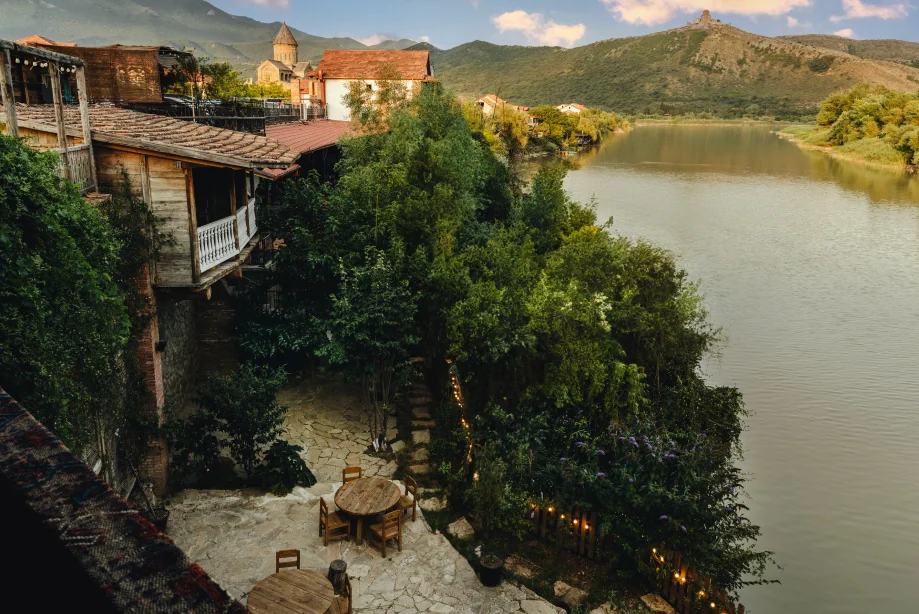
Visiting Mtskheta and Jvari Monastery? Where to stop for lunch or dinner after sightseeing, what to order and practical tips for your day trip.
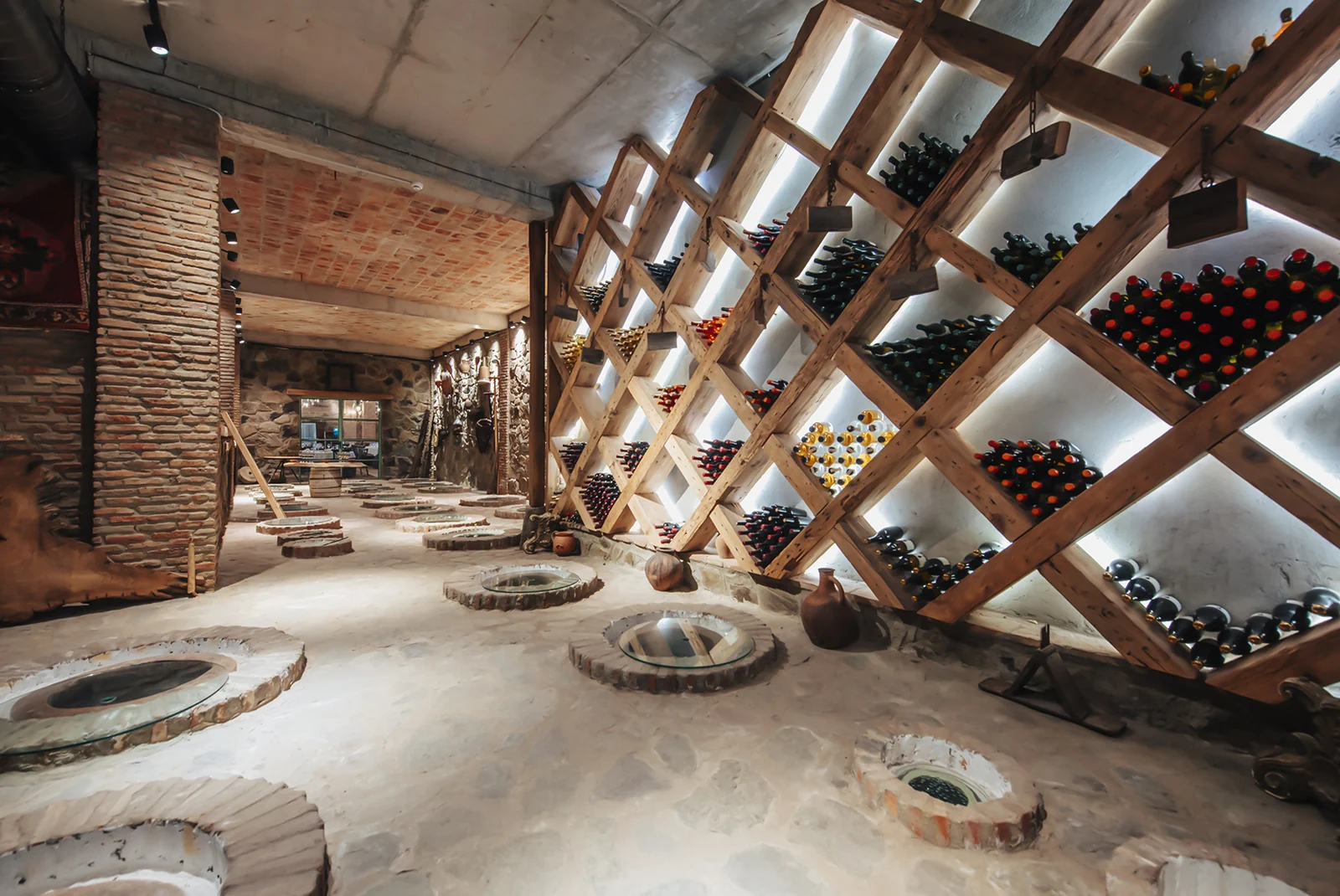
Taste authentic Qvevri and amber wine in Tbilisi without leaving the capital: how Georgian wine is made and which dishes to pair it with at Ethno Tsiskvili.
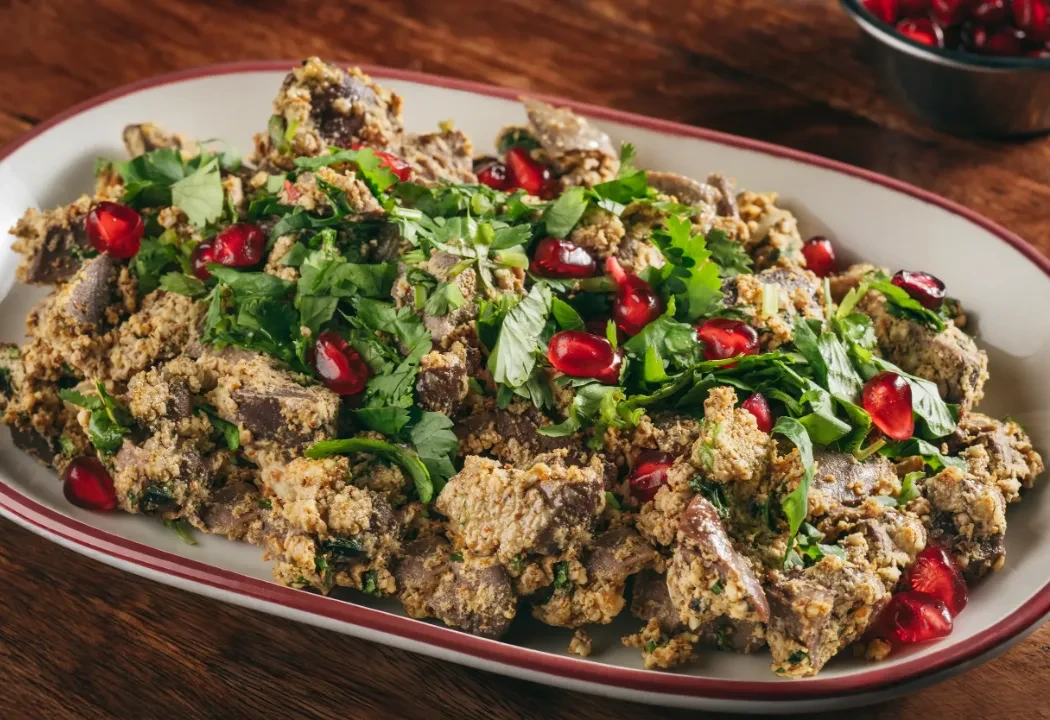
Hot Megrelian kuchmachi with pomegranate and cold pork kuchmachi with walnuts: how the dish is made and which Georgian wine to pair it with at Tsiskvili.

Live polyphonic singing, folk dances and a natural waterfall: what the show at Ethno Tsiskvili includes and how to plan your evening.

Alex Natadze, Brand Chef of Tsiskvili Group, won the “Chef of the Year” award at the National Tourism Awards.

On October 23 and 24, Beer Days took place at Beer Square in Tsiskvili. We welcomed our guests with delicious dishes and premium European beer at half price.