
The Best Vegetarian & Vegan Food in Tbilisi Everyone Must Try
For the past decade, vegetarian and vegan eating has been hugely popular all over the world. Ten years ago a fully plant-based diet was still a rarity; today it is nothing out of the ordinary. The reasons for going that way vary - healthy lifestyle, the environmental strain, the ethically dubious side of meat production, etc.
Interest in vegetarianism and veganism is growing in Georgia as well. In the bigger cities, like Tbilisi and Batumi, restaurants and cafés have easily adjusted to serving fully plant-based diners. Admittedly, for most Georgian restaurants, hopping on the trend costs almost nothing, since building a vegan menu mostly means putting on a little mark alongside dishes that were already there. Traditional Georgian cuisine has always been rich in plant-based options.
This blog will dive into the reasons why a plant-based diet is pretty easy to sustain in Georgia and which vegetarian or vegan Georgian dishes you should try first when visiting the Tsiskvili restaurants.
Georgian Cuisine is Great for Vegetarians and Vegans. Here’s Why:
Critics of the vegan diet often claim that it’s running short on macro- and micronutrients. When properly balanced, though, it can be perfectly healthy for adults. It’s naturally loaded with fiber, healthy fats and most of the vitamins, and takes a little extra effort to pack in the rest, though, nothing unsustainable.
Protein, iron, calcium and vitamin B12 are where the gaps usually lie. Build the diet properly and those gaps stay small; fortified products and supplements shrink them further. The currently available research agrees that a balanced vegan diet can be nutritionally complete, and can even carry certain long-term benefits for health.
Some traditional Georgian dishes are a great example, by the way. Take pkhali. Spinach, beet greens or smilax are naturally rich in fiber and vitamins, the walnuts - in healthy fats and antioxidants. Lobio is a great source of protein, fiber and iron. Ajapsandali, made with eggplant, tomato and bell peppers, is rich in fiber and vitamins too.
There is a historical reason for the variety of plant-based menu in Georgia. Christianity shaped daily life in the country for centuries, and the way people ate was definitely no exception. Plenty of believers keep at least the four long fasts of the year — the Great Fast, the Dormition Fast, the Apostles' Fast and the Nativity Fast — and some fast every Wednesday and Friday besides. Orthodox fasting is not the same as intermittent fasting, it does not require going hungry. But it does demand that the believers restrict themselves. Meat, eggs, dairy and fish aren’t allowed on fast days, which leaves much of the Georgian fasting diet naturally vegan.


What Is the Difference Between Vegan, Vegetarian and Fasting Dishes?
The Georgian vegan and fasting menus overlap heavily, but aren’t exactly aligned. A vegan diet uses plant products only, it does not allow anything an animal had any hand in producing, even indirectly. Meat, fish, milk, cheese, butter, eggs, clarified butter and honey are all out.
Vegetarian eating rules out the flesh of living creatures - meat, poultry, fish, etc - but allows dairy and eggs. Khachapuri, elarji and gebjalia are all popular traditional vegetarian Georgian dishes.
The Georgian fasting menu comes pretty close to a vegan one, since it is built mostly from plants, but there are a few important differences. Honey is a big one. Orthodox practice does not count it as an animal product. Fish is allowed on specific days as well, though with certain restrictions.
A guest on a strict plant-based diet should look closely at what goes into the sauces and dressings, and should double-check what fat the chef cooks with. A dish that seems plant-based can turn out to have butter or clarified butter in it, and the salad dressing may have honey, cream or sour cream.
Best Vegan Georgian Dishes
Vegetarian and vegan options in Tbilisi restaurants come in a fairly broad selection. At the Tsiskvili Group restaurants you can easily assemble an entire feast with cold starters, hearty hot mains, desserts and sauces alike. Here are the most popular of them:
100% Vegan and Fasting Dishes
Pkhali assortment — one of the most recognizable plant-based Georgian dishes. Chefs take a base of finely chopped spinach, carrot, beet greens or some other plant, season it with walnut, garlic and an assortment of spices, and often top off with pomegranate seeds.
Eggplant with walnut — a classic Georgian cold starter. The eggplant is sliced lengthwise and fried. Then each slice gets wrapped around a spoonful of seasoned walnut paste.
Beans in a clay pot, with mchadi — red kidney beans are boiled first, seasoned with herbs and spices, then baked in an earthenware pot. It usually arrives with mchadi (savory corn bread, also vegan).
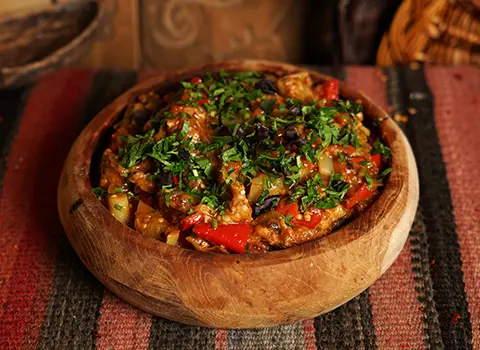
Ajapsandali — eggplant, tomato, bell peppers, onion and herbs, all fried or stewed together. The spices and the method can vary a little, and other vegetables sometimes go in, though it never uses any animal-based ingredients.
Vegetarian Dishes with Dairy
Cheese and other dairy are among the pillars of Georgian cooking, and plenty of vegetarian dishes use dairy as a main ingredient.
Khachapuri — probably the most popular Georgian dish of all, a variety of pastry with a hearty cheese filling. Every region has its own version. The Imeretian, Megrelian and Adjarian ones are the most popular.
Megrelian elarji or ghomi with sulguni — ghomi is a porridge made with coarsely ground cornmeal. Ghomi on its own is a fasting food, though pieces of cheese are sometimes pressed into it. For elarji, the sulguni is boiled straight into the grits, which is what gives the dish its characteristic stretch.
Gebjalia — rolls of sulguni or fresh young cheese, kneaded over with milk or matsoni. The cheese is flattened into sheets, seasoned, then rolled. It gets drenched with milk or matsoni sauce before serving.
If you are planning a visit to one of the Tsiskvili restaurants, you can check the menu online first. Vegan dishes carry a special symbol there, which makes the plant-based options easy to spot.
Frequently Asked Questions (FAQ)
Is there a vegan menu at the Tsiskvili restaurants?
Yes. The Tsiskvili restaurants serve a number of fully plant-based Georgian dishes: several kinds of pkhali, eggplant with walnut, beans in a clay pot with mchadi, etc. In the online menu, vegan dishes are marked with a little leaf symbol.
Can a non-vegan dish be adapted to vegan requirements?
Yes, though it largely depends on the recipe. If the chef has the ability to drop an ingredient or swap in a plant-based alternative, the restaurant will do what it can to accommodate you.
Which is the most popular vegan dish in Georgian cuisine?
Pkhali, eggplant with walnut and beans in a clay pot are among the best known. The list runs a good deal longer than that. At the Tsiskvili restaurants, aside from the traditional cooking, guests can get a taste of the Chef’s own vegan recipes - the crispy mushroom salad, the tomato salad with jonjoli, the mushroom stew with chinese cabbage, etc
Last Update: 09/10/2026
Other news
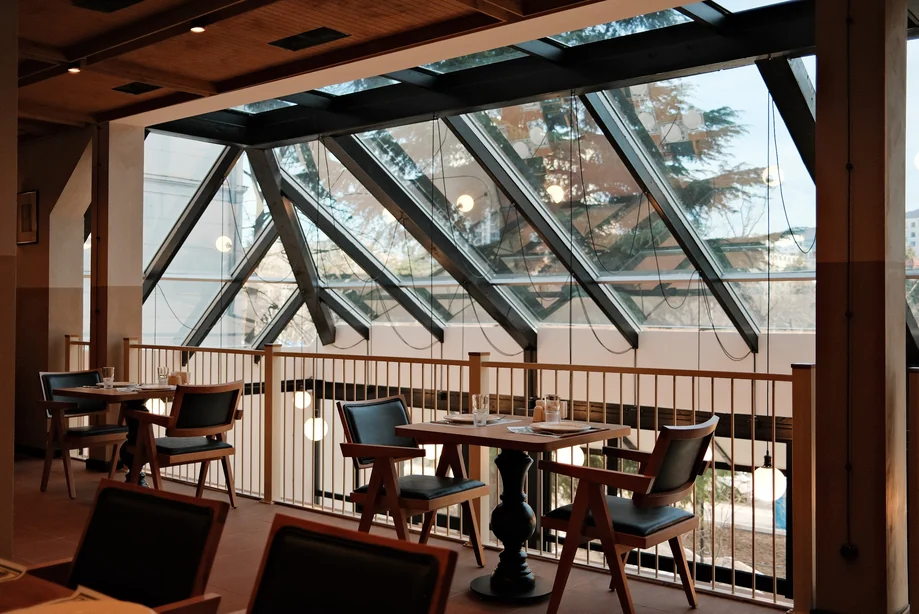
Location, atmosphere, menu, opening hours and booking: what matters when you choose a restaurant for a business lunch in Tbilisi.
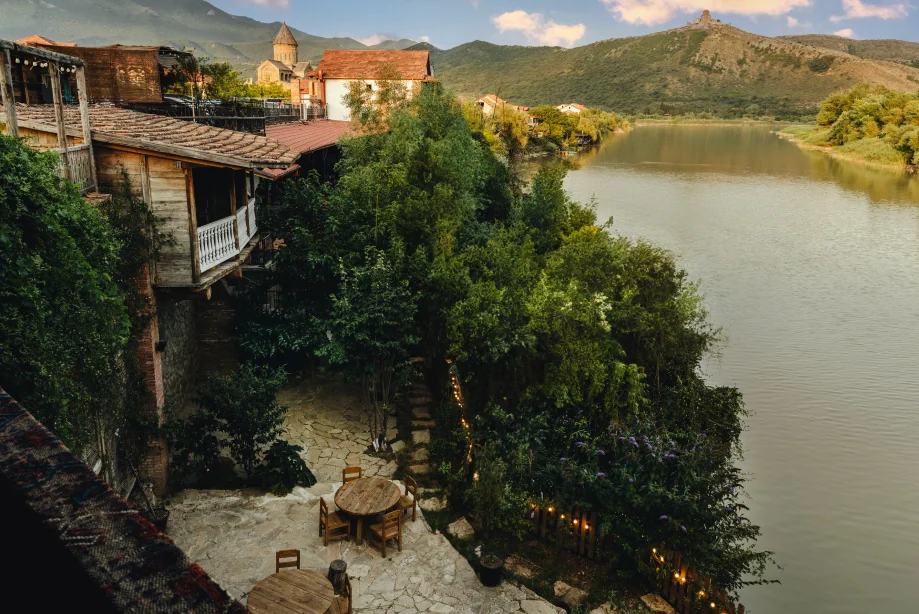
Visiting Mtskheta and Jvari Monastery? Where to stop for lunch or dinner after sightseeing, what to order and practical tips for your day trip.
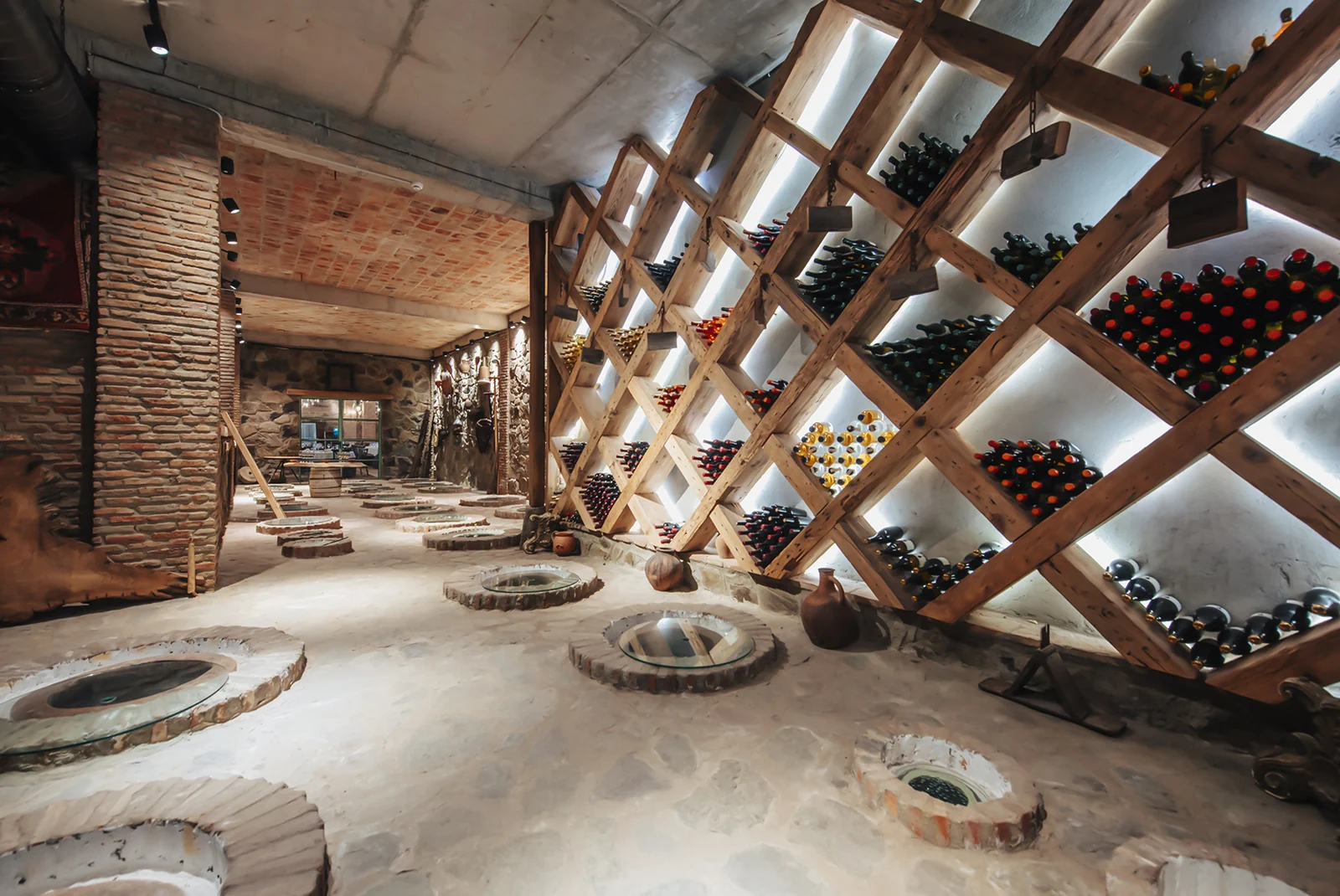
Taste authentic Qvevri and amber wine in Tbilisi without leaving the capital: how Georgian wine is made and which dishes to pair it with at Ethno Tsiskvili.
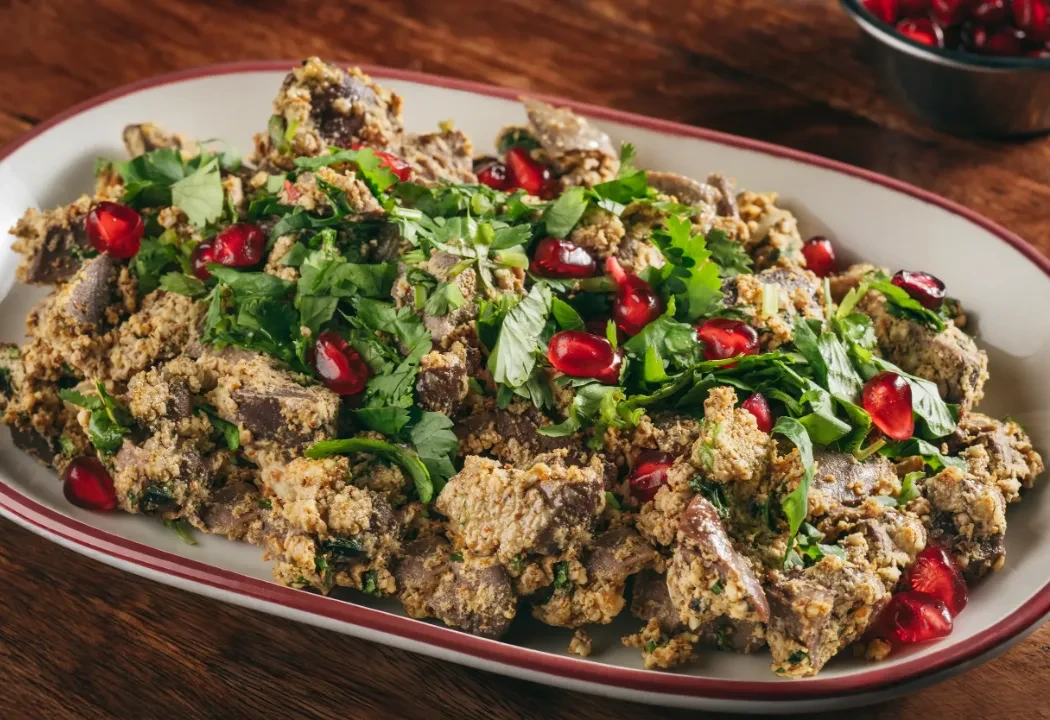
Hot Megrelian kuchmachi with pomegranate and cold pork kuchmachi with walnuts: how the dish is made and which Georgian wine to pair it with at Tsiskvili.

Live polyphonic singing, folk dances and a natural waterfall: what the show at Ethno Tsiskvili includes and how to plan your evening.
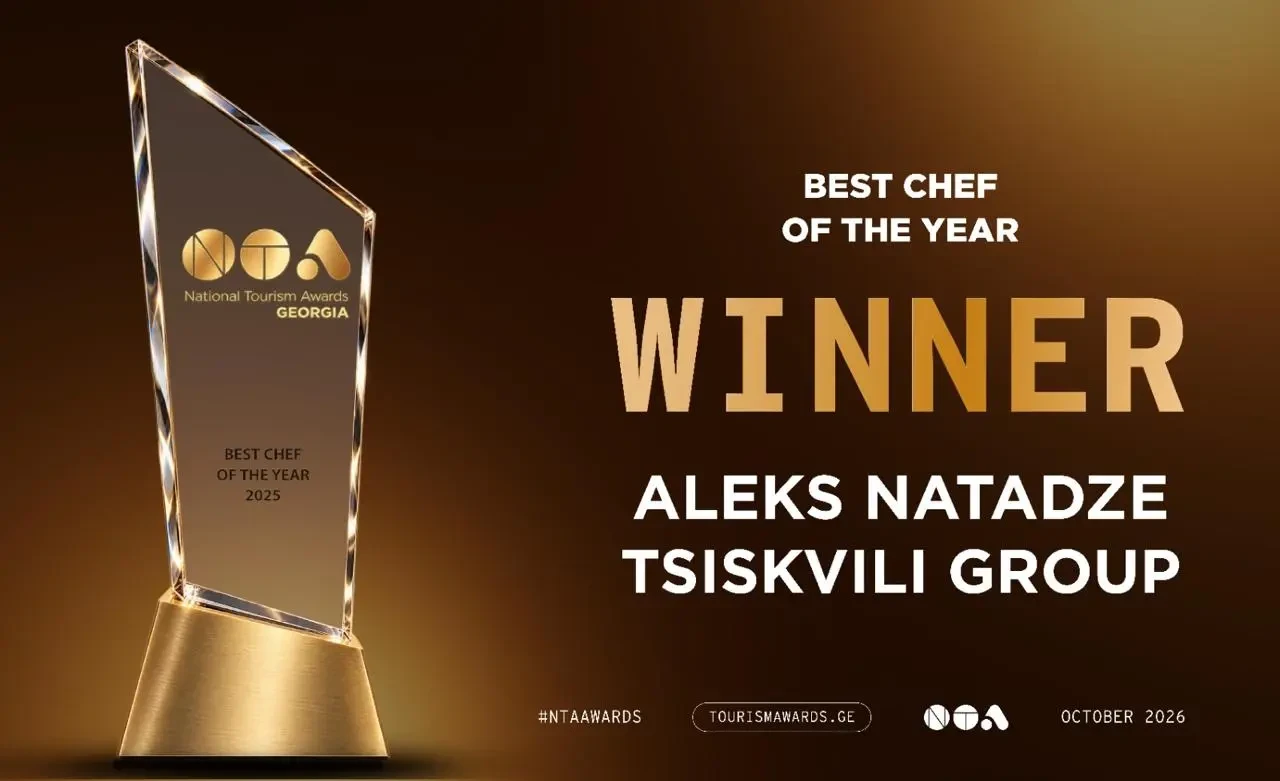
Alex Natadze, Brand Chef of Tsiskvili Group, won the “Chef of the Year” award at the National Tourism Awards.