
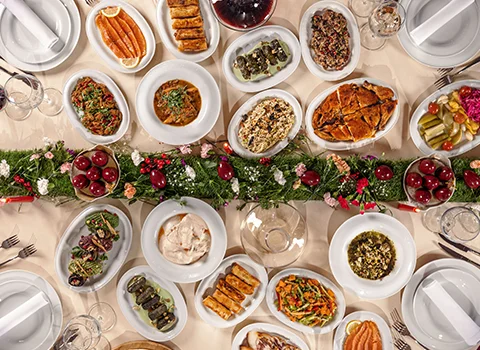
Easter Table in Georgia: Dishes for the Holiday Feast
Easter is one of the biggest holidays in Georgia. It’s a time for large family gatherings and, as is a must for any truly Georgian celebration, it’s accompanied by a grand scale feast, with lots of tasty food and good Georgian wine.
The fact that Easter marks the end of Lent (what many would consider the most important fasting season on Orthodox Calendar) played a major role in shaping the traditional Easter table. Families would usually serve dishes they could not allow themselves to prepare during the fasting period. Additionally, some foods appeared on the table only during this particular time of year for a variety of reasons, among high costs and ingredient seasonality. Families approached planning the Easter feast with great care. A proper Easter feast had to be both abundant and symbolic at the same time.
Today, many Georgian families prefer to outsource taking care of the Easter menu to professionals because of their busy everyday lives. Still, the importance of the holiday has remained high across centuries, so to this day most people are very careful with what they’re bringing to the table. Quality local ingredients and respect for traditional recipes matter for the taste to resemble home cooked meals as close as possible. It’s an attitude that falls close to Tsiskvili Restaurant’s general approach to hospitality. It offers guests the authentic flavours of traditional Georgian dishes in a setting decorated with traditional elements.


What Does a Traditional Easter Feast Look Like?
A traditional Easter feast in Georgia can be varied across families, but generally follows several specific rules. Traditionally, the end of the Lent was celebrated with richer and more filling dishes. The presence of certain foods on the Easter table is considered essential because of the religious symbolism. Others are tightly rooted in folk traditions. The presence of these dishes may not be strictly required, but it’s highly desired so they are almost always present. In fact, many Georgians would be surprised and consider the menu to be minimalist if not ascetic, if they don’t see them. Also, many of them tend to frequently be listed among the best Georgian dishes and considered to be representative of local cuisine.
- Paska (Kulich): Paska is a sweet Easter bread. It’s on the list of essential Easter feast dishes and skipping having it on the table is considered nigh unimaginable. Paska carries religious and symbolic meaning. According to different sources, it symbolizes Golgotha, the body of Christ, or the sweetness of divine grace (and in some interpretations: all three at once). It is traditional across Central and Eastern Europe, including Ukraine, Romania, Bulgaria, Poland, and other countries. That said though, every country has its own traditional recipe that slightly differs from the rest. Baking paska is a difficult and labour-intensive process. In Georgia, paska dough is usually flavoured with raisins, nutmeg, cardamom, and other spices. A good paska should have a dense and moist texture, which keeps well for a long time.
- Red Easter Eggs: Red eggs symbolize new life and the blood shed by Christ. In Georgia, eggs are traditionally dyed on Red Friday in a decoction made with madder roots and red onion skins. It gives them a deep, vivid color. Interestingly, the common European tradition of painting eggs in various bright colors hasn’t taken hold in Georgia (yet) - almost every family dies them exclusively red. Traditionally, the eggs are placed in the centre of the Easter feast table, often surrounding paska as the centerpiece.
- Chakapuli: Chakapuli is a seasonal dish. Its ingredients usually appear around the Easter period, and timelines aligning easily led to preparing chakapuli to gradually become an Easter tradition. In the classic Kakhetian version, chakapuli is made with lamb (historically a common sacrificial animal in Orthodox Christian tradition). The meat is cooked with plenty of herbs, fresh tarragon, green plums, and white wine. Over time, it became common to replace lamb with veal. Veal chakapuli was often considered more luxurious (as veal was more expensive than lamb) and was seen as a particular sign of respect toward guests. Today, veal chakapuli is highly popular because it’s considered to be a lighter and healthier version than the traditional lamb one.
- Imeretian Khachapuri: One of the dishes that has no connection to religious tradition but is a mainstay during Easter season. It’s mostly because rarely does a festive Georgian menu feel complete without it. For many people, Imeretian khachapuri is pretty much a Georgian national dish and not having it on the table during large feasts feels strange.
- Roast Chicken: Roast chicken is a standard choice of protein on most Georgian tables. With the Lent ending, a golden roasted chicken was often the simplest (and most affordable) way to make the feast menu feel more generous. At Easter, it is usually served with tkemali or satsebeli. If the feast is aiming to feel more luxurious, however, it may appear as shkmeruli (in a hearty garlic sauce) or be served with bazhe (a type of walnut sauce).
- Pkhali: Pkhali is a mix of finely chopped vegetables and greens, seasoned with ground walnuts and spices. It’s one of the most popular vegan Georgian dishes, a staple during the fasting periods. Even so, there’s almost always at least one (and often more) type of pkhali on the table for an appetizer. Spinach, beetroot, or leek pkhali tend to be the most popular choices. It balances out the rich and hearty meat-based dishes the Easter menu is largely built around.
- Whole Roasted Fish: A whole fish - the ichthys - is a symbol of Jesus Christ. It is not considered an essential Easter dish, but in more traditional or observant families, guests are often served whole fried trout.
The list of traditional Easter dishes served during celebrations may also slightly vary by the region. Some are universal. Chakapuli, for example, is now prepared in every corner of Georgia. But sometimes the festivities still reflect long-standing regional differences in food culture.
In eastern Georgia, the menu is traditionally more abundant in meat dishes and baked goods. In families that celebrate Easter on a particularly grand scale, serving a roast piglet is a popular choice. The piglet is roasted whole (usually in tone, a traditional Georgian oven) until the skin becomes crisp and crackling. It is served with hot adjika or tkemali.
In western Georgia, the feast tends to be more focused on vegetarian dishes, with walnut and pepper-based sauces, pkhali, and dairy products being more common.


The Main Symbols of Easter Feast
Paska and red easter eggs should traditionally be placed in the middle of the table. Not having them on a traditional Easter feast is unimaginable to most Georgians.
Eggs are dyed a few days before Easter, on the so-called Red Friday. To achieve their bright color, people use madder roots and onion skins. The madder roots are washed beforehand, crushed, and boiled in water. Once the liquid cools down, people put the eggs into it and start boiling it anew. In the past, many families also began baking paska on the same day. These days, however, this tradition isn’t observed very strictly: paska can be baked weeks earlier. The main thing is not to leave the baking for the last minute. Paska needs to rest for several days for the dough structure to fully develop and for the flavours to settle.
Jejili, a very young and green homegrown miniature wheat field, is another traditional Georgian Easter attribute. The wheat is sown on cotton during the fasting period with the goal to have blades tall and healthy by Easter Sunday. It symbolizes the awakening of nature and the continuation of life. Jejili often serves as a base for the red eggs when served to the table. That said, these days it has partially been supplanted by decorative stands and far fewer families grow it at home.
Preparing traditional Easter dishes can take a great deal of time and effort, and many people may not have enough of either. Those who cannot devote enough time to cooking the feast during the holiday period tend to prefer ordering dishes from a restaurant. But they tend to be very careful about ordering from professionals they can truly trust. For more than two decades, Tsiskvili restaurants have been serving both Georgian and foreign guests who visit Georgia dishes prepared with top-notch ingredients and familiar recipes.
Order traditional Georgian dishes from us or visit one of our branches to celebrate Easter season. Follow the link to find the exact address of the Tsiskvili restaurant near you and call +995 032 2 00 55 55 to reserve the table.
Other news
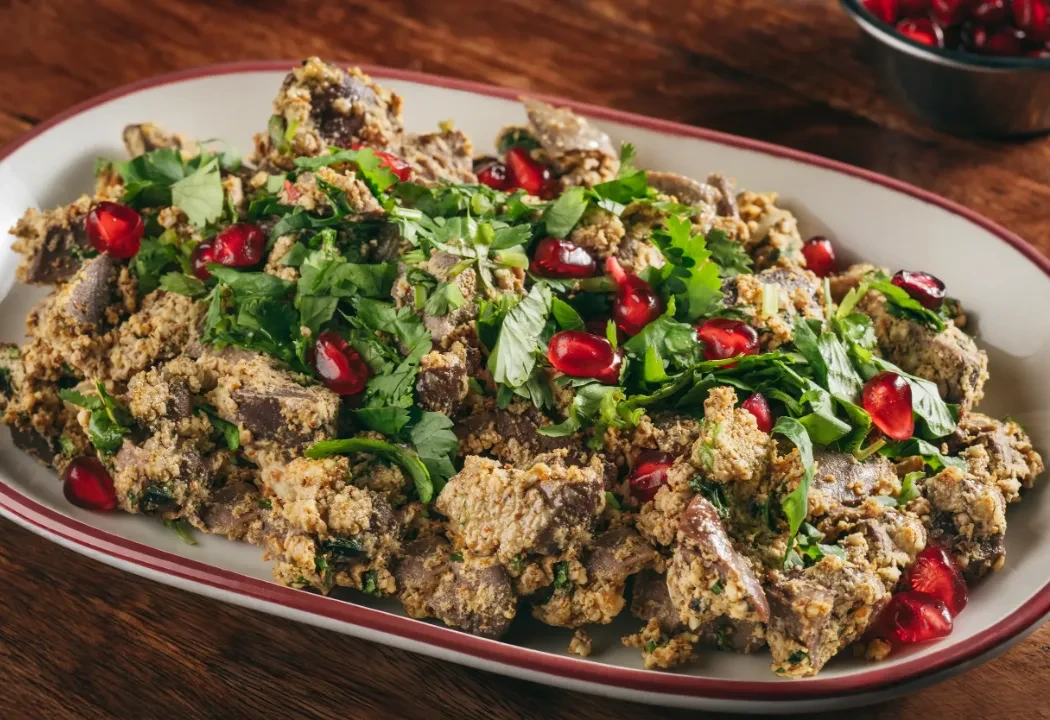
Hot Megrelian kuchmachi with pomegranate and cold pork kuchmachi with walnuts: how the dish is made and which Georgian wine to pair it with at Tsiskvili.
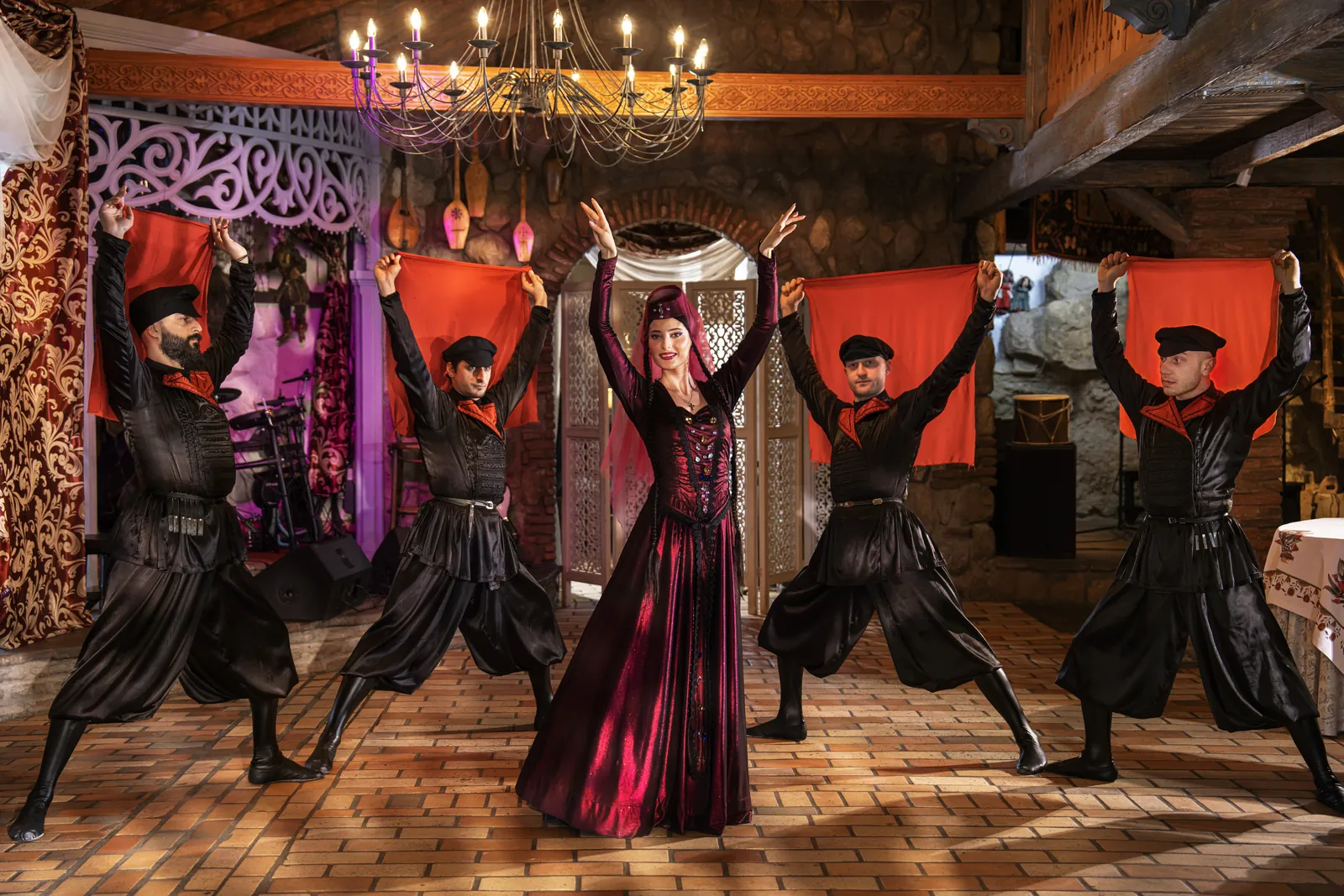
Live polyphonic singing, folk dances and a natural waterfall: what the show at Ethno Tsiskvili includes and how to plan your evening.
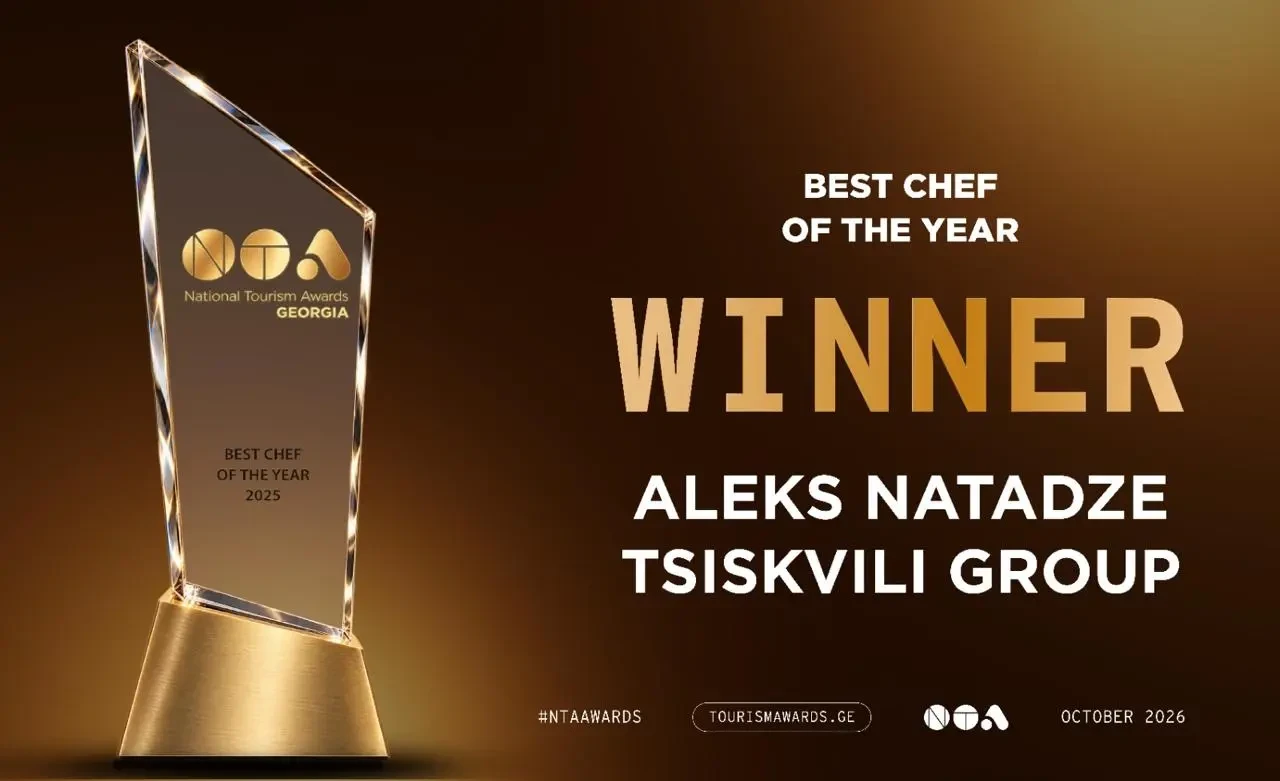
Alex Natadze, Brand Chef of Tsiskvili Group, won the “Chef of the Year” award at the National Tourism Awards.
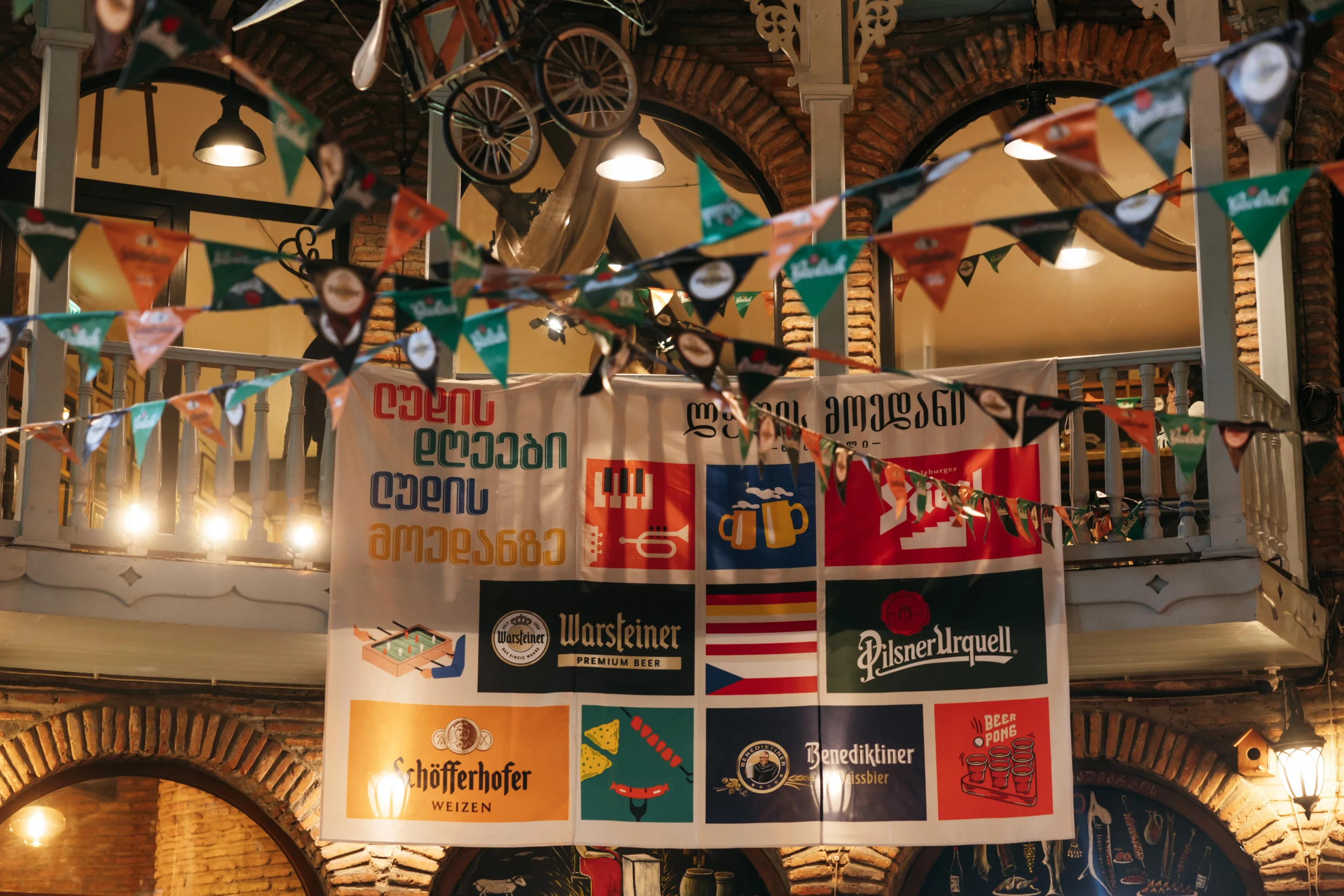
On October 23 and 24, Beer Days took place at Beer Square in Tsiskvili. We welcomed our guests with delicious dishes and premium European beer at half price.
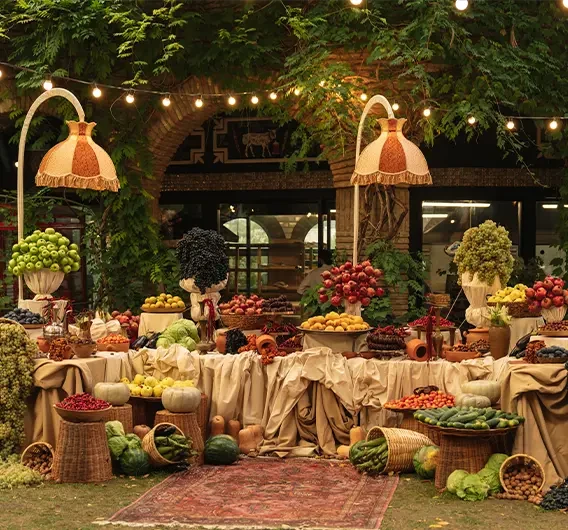
On October 3 and 4, the Tsiskvili courtyard came alive with a true Tbilisi celebration. Over two days, we welcomed our guests with Georgian dance and folklore, delicious tastings, and a variety of activities for both adults and children.
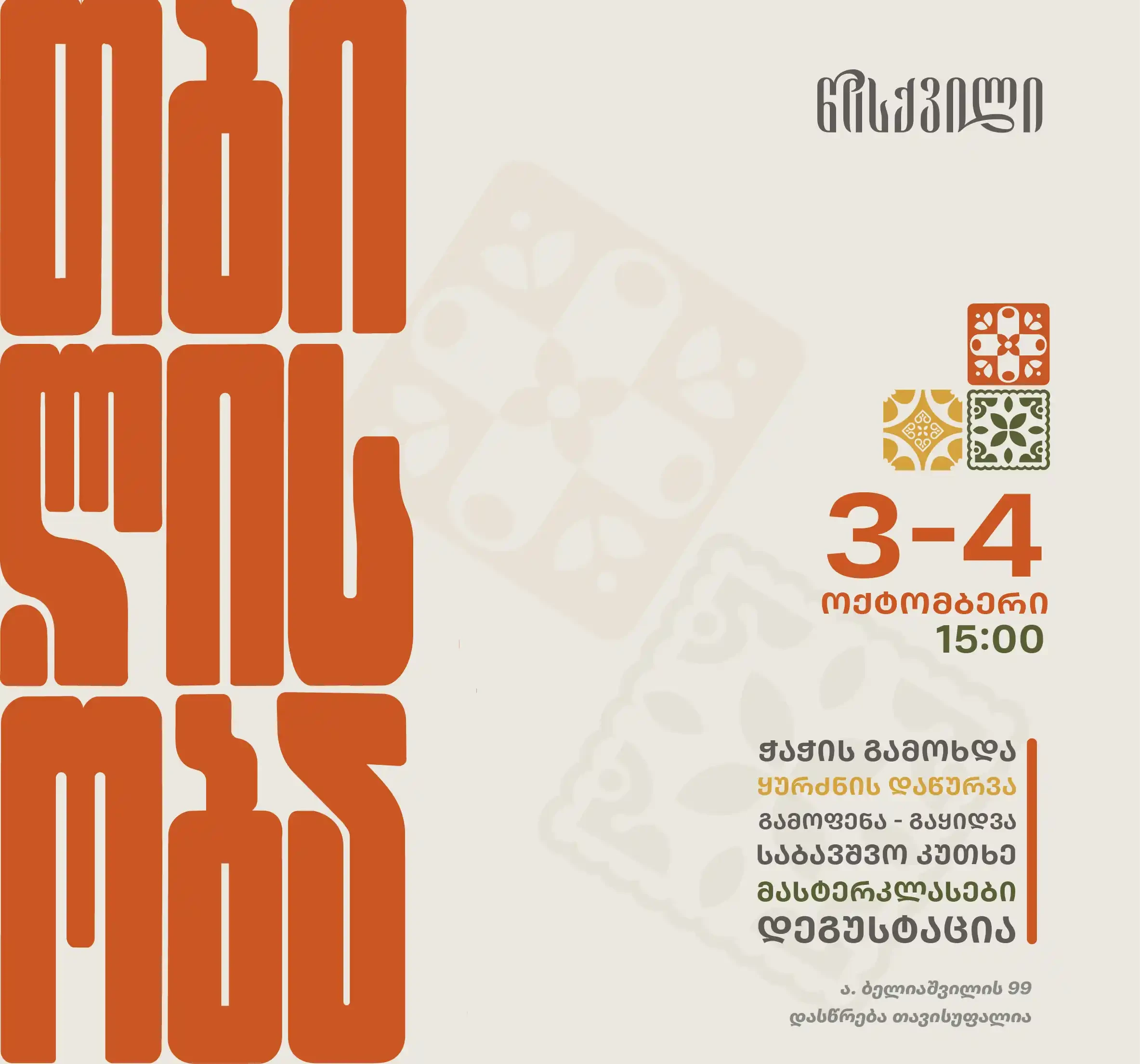
On October 3 and 4, 2026, Tsiskvili Group will celebrate Tbilisoba with a special program.